Type 8 Body / instinct
I address it head-on. If something's wrong, I'd rather have an uncomfortable 5-minute conversation than let it fester for weeks. Most people avoid conflict because they're scared of it. I'm not.
Most online debate rewards the fastest take. 9takes slows the moment down: answer first, then compare how other Enneagram types read the same situation.
Social media turned conversation into performance. Reddit became tribes defending territory. Everyone talks. Nobody listens.
The takes you see are usually the ones that won the room, not the ones that revealed how people actually think.
Give your take before the crowd can shape it.
Compare answers tagged by Enneagram type.
Notice the angles your own wiring tends to miss.
I address it head-on. If something's wrong, I'd rather have an uncomfortable 5-minute conversation than let it fester for weeks. Most people avoid conflict because they're scared of it. I'm not.
I step back and observe the pattern first. Who's actually upset, and about what? Usually the stated problem isn't the real problem. I wait until I've mapped out what's actually going on before I say anything.
I check in with both sides privately first. People can't hear solutions when they feel unheard. Once everyone feels seen, the actual resolution usually comes together fast.
In the Marines, I learned to suppress emotions and push forward. Great for combat. Terrible for relationships.
The Enneagram gave me language for something I kept seeing everywhere: people are not just disagreeing about facts. They are processing the same situation through different fears, defenses, hopes, and instincts.
9takes exists to replace snap judgment with useful curiosity. Give your real take. Then look at the same moment through eight other lenses.
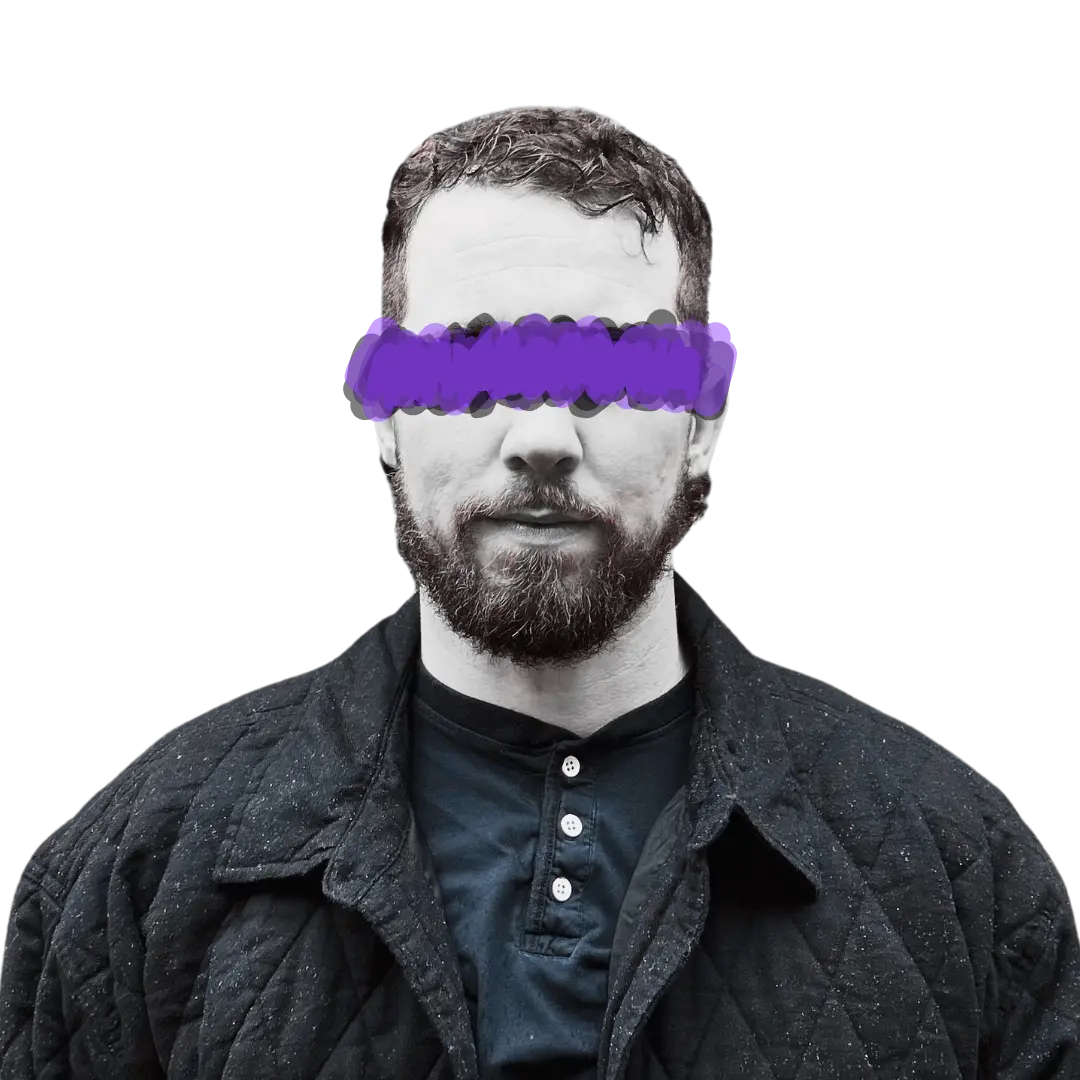 DJ Wayne, Founder
The Enneagram is rooted in three core emotional centers: anger, fear, and shame. Everyone has access to all three, but one center usually leads the way.
Instinct, control, autonomy, boundaries, anger.
Risk, certainty, options, planning, fear.
Connection, identity, value, image, shame.
Nine types. Three centers. One way to understand why the same situation lands so differently. Learn the full system
You do. Everyone does. The useful question is whether you can stay curious long enough to find them.
Answer real questions and compare how different types respond.
Browse QuestionsUnderstand the types, centers, instincts, and blind spots.
Read the GuidesFor personal guidance applying this work, join the 1-on-1 coaching waitlist.
Reach out. I read everything.
 Twitter/X