What Drives a Type 2
Ever meet someone who remembered your coffee order after hearing it once? Who checked in on you after a rough day you barely mentioned? That's a Type 2 operating at full power. They have an almost supernatural ability to read what you need — sometimes before you know it yourself.
- Stereotypes: People-pleasers, overly accommodating, emotionally needy
- Archetypes: The Caregiver, The Nurturer, The Servant, The Confidant
- Struggles: Difficulty setting boundaries, neglecting their own needs, seeking validation through helping others
- Gifts: Highly attuned to others' emotions, natural empathy, ability to make people feel genuinely seen and loved
- Recognized by: Warm and approachable demeanor, always the first to offer help, remembering personal details about everyone
The Helper's Worldview
A Type 2 walks into every room scanning for who needs something. It's not calculated — it's automatic. Their internal wiring maps the world like this:
- Every interaction is a chance to make someone's day better
- Relationships and emotional bonds are the most valuable currency
- Love and appreciation flow back to those who give generously
- Healing and connection are possible in even brief encounters
- Their own worth is tied to how needed and appreciated they feel
Navigate a Type 2 by appreciating them without being asked. They spend so much energy on everyone else that unsolicited recognition genuinely catches them off guard — in the best way.
Famous Type 2s — The Helper Examples
26 personalities
Mother Teresa

Bill Clinton

Hilary Duff

Sky Bri

Khloe Kardashian

Hugh Jackman

Tom Hiddleston

Lupita Nyongo

Zohran Mamdani

Tara Yummy
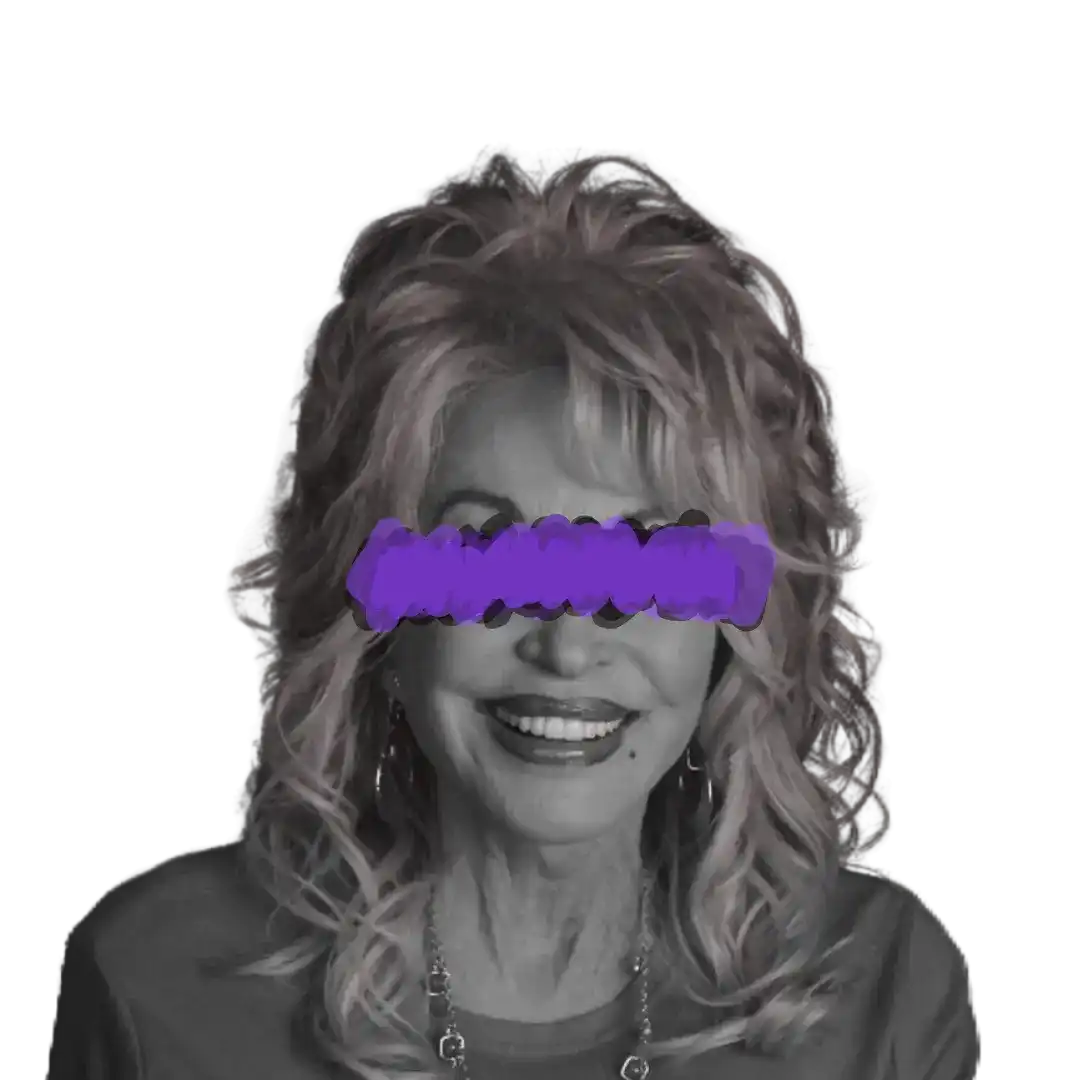
Dolly Parton

Kristen Bell

Henry Cavill
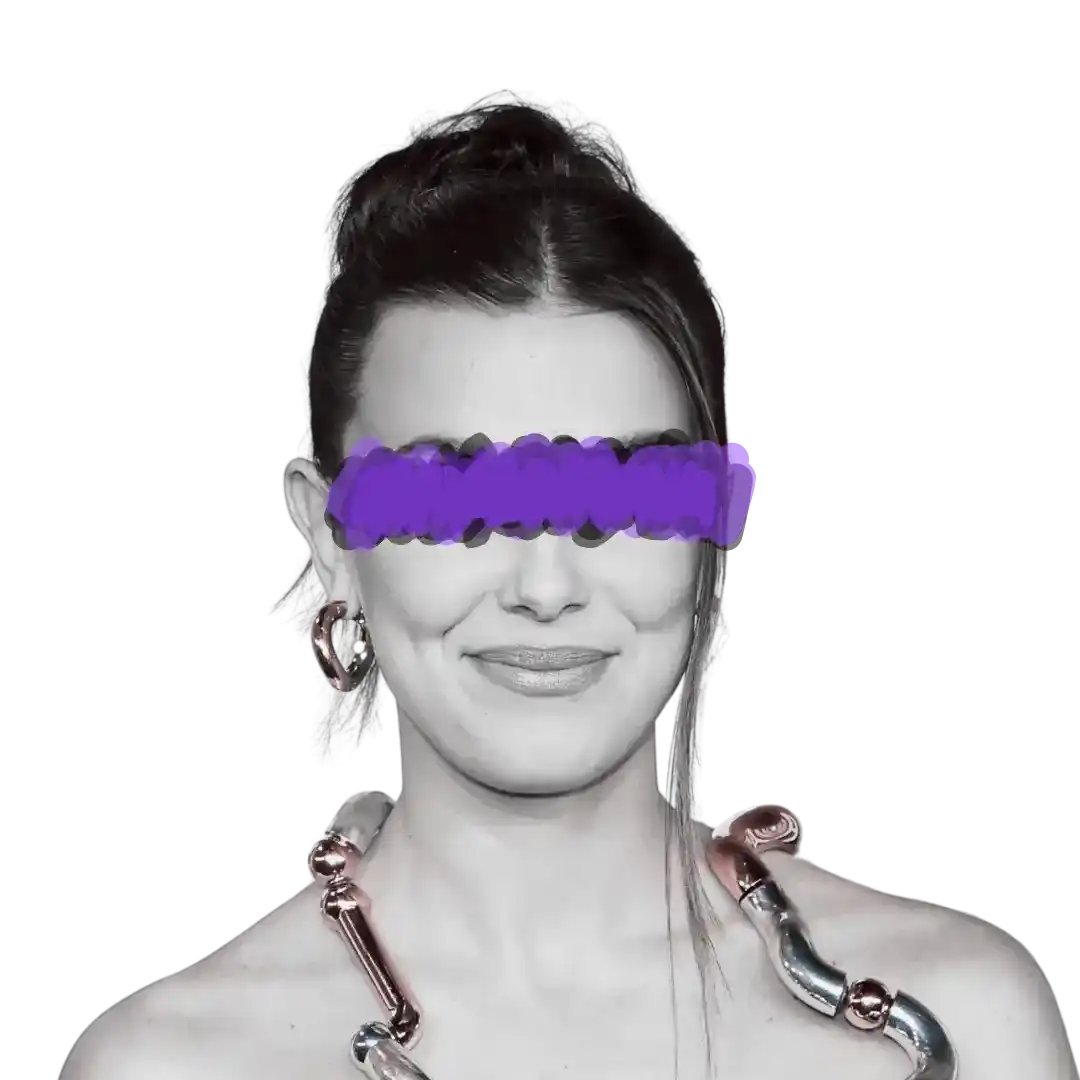
Millie Bobby Brown
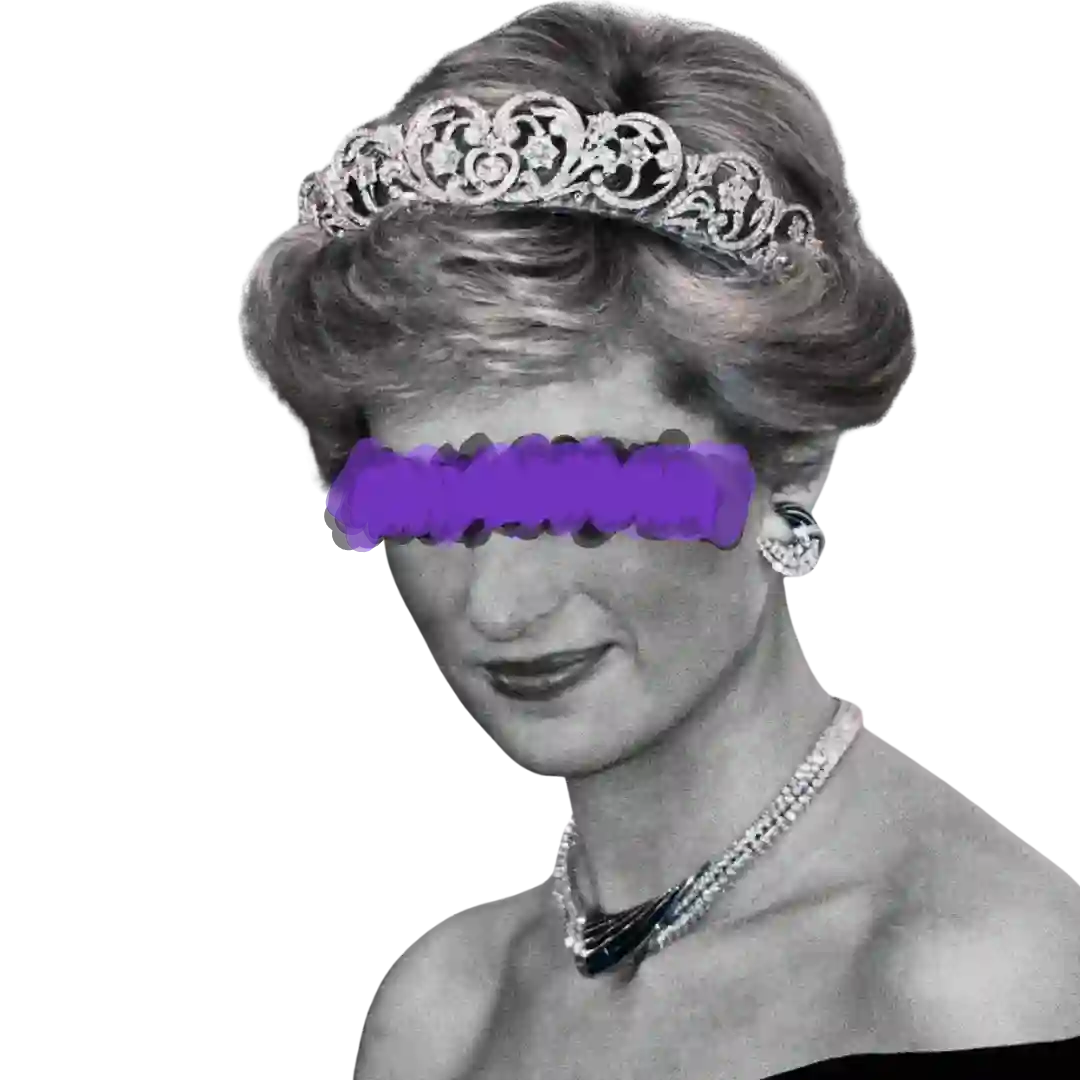
Princess Diana

Margot Robbie

Harry Styles

Olivia Rodrigo
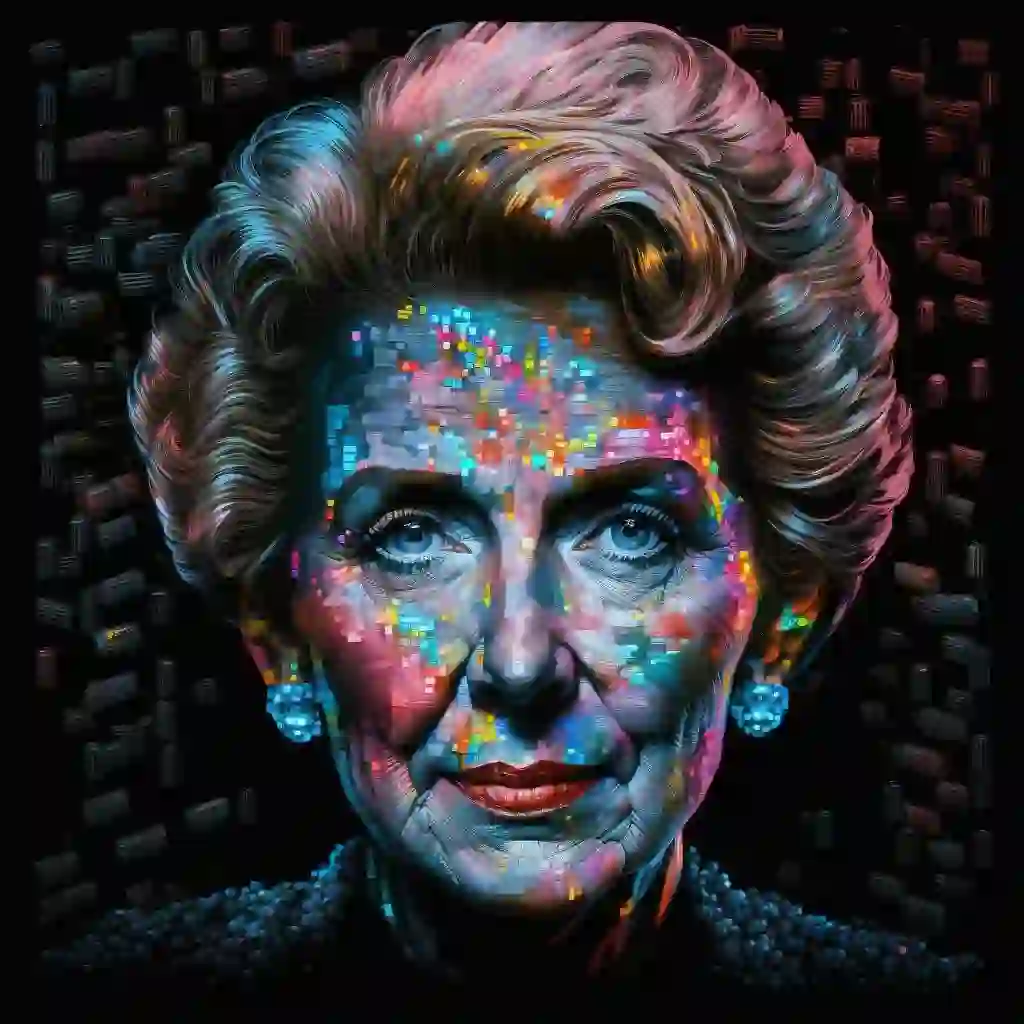
Nancy Reagan

Oprah Winfrey

Meryl Streep

Jennifer Garner

Joe Biden

Jimmy Carter

Meghan Markle

Mr Rogers
Type 2 in Flow vs. Under Stress
The Helper at Their Best
A healthy Type 2 still cares — they just stop trading their needs to earn the right to. The giving gets cleaner because they're no longer billing for it underneath.
- Real generosity, not strategic generosity disguised as kindness
- Boundaries that don't require resentment to enforce
- The ability to receive without immediately deflecting
- Naming their own needs out loud — and surviving it
- Empowering people instead of becoming indispensable to them
The Helper Cracking Under Pressure
Stress sends Type 2s to the unhealthy side of Type 8 — and the warmth flips fast:
- Sudden anger that's been building for months under "I'm fine"
- Confrontation triggered by the specific feeling of being unappreciated
- Vulnerability becomes intolerable — they snap at help offered with care
- Repressed needs erupt as ultimatums
- Subtle manipulation to recover the emotional ground they feel they lost
The Type 2 nurse who's been everyone's rock for a year doesn't just have a bad day. She tells a patient off, snaps at her charge, refuses help carrying things, and goes home and tells her spouse none of you appreciate me. She isn't wrong about that. She's just dangerously over the line of what she can sustain.
Where Growth Lives for a Type 2
Healthy Type 2s borrow from Type 4 — and it usually looks like this:
- They notice what they feel, not just what everyone else needs
- Solitude stops feeling like rejection and starts feeling like home
- They develop interests with no helping component at all
- Identity stops being "the person who's there for everyone"
- They cry their own tears, not just absorb everyone else's
Picture the Type 2 mom who's spent 15 years orchestrating everyone else's life. She picks up a paintbrush. She paints alone. Nobody benefits. It changes her.
The Wings: Two Flavors of Type 2
2w1: The Servant
The 2's warmth with the 1's sense of duty. Helping isn't optional — it's the right thing to do.
- Stronger moral spine guiding who they help and how
- More structured and dependable in caregiving
- Holds themselves to "did I help enough?" — usually no
- Gravitates toward service careers and sustained volunteer work
2w3: The Host/Hostess
The 2's love with the 3's drive. Helping becomes a stage — and they're the lead actor.
- More outgoing, more visible, more socially ambitious
- Helps in ways that get noticed; the recognition is part of the fuel
- Master networker who connects everyone to everyone
- The authenticity question: "do they actually like me, or my role?"