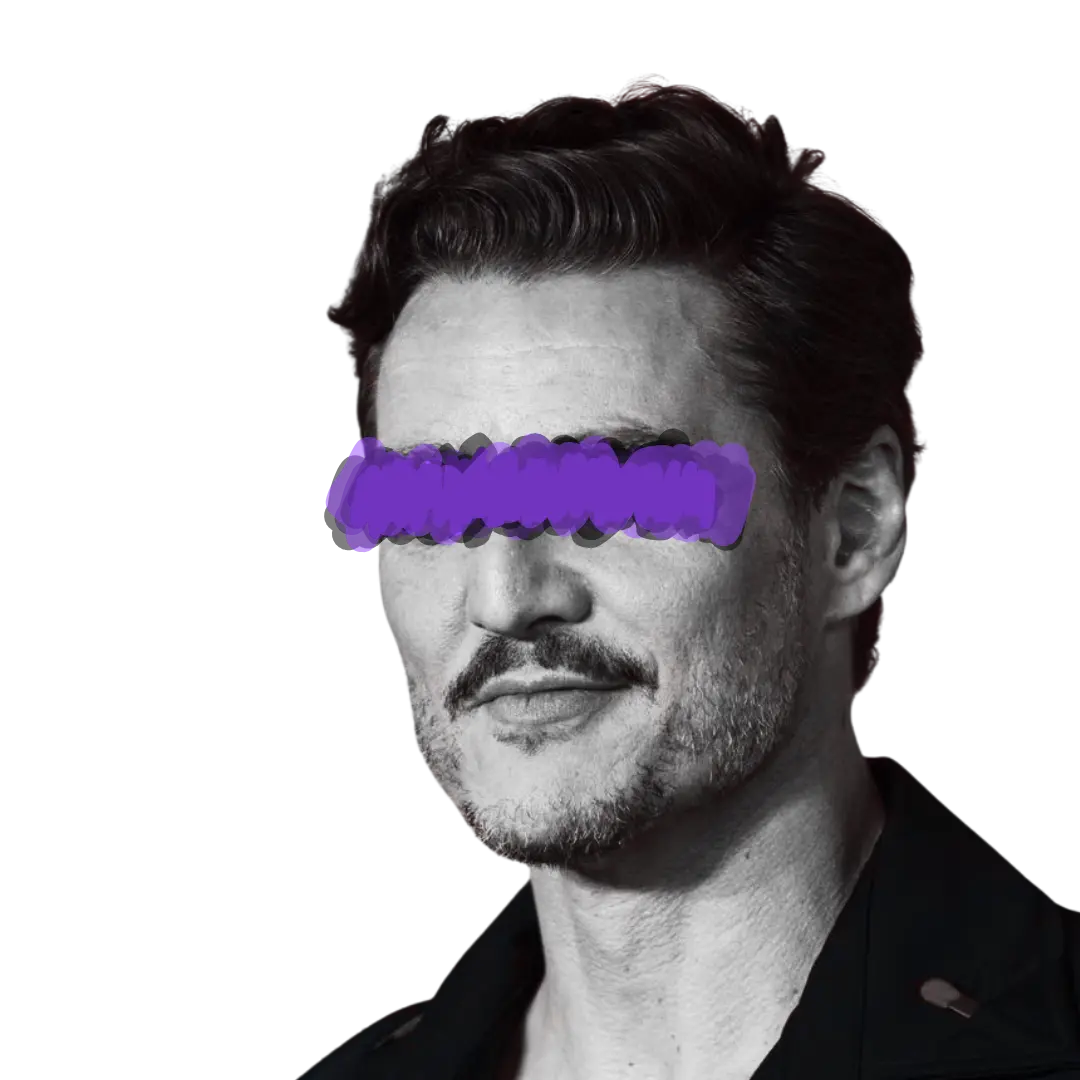
Picture this. Pedro Pascal walks into a restaurant in New York. Within 90 seconds, someone at the next table is pretending to take a selfie while angling their phone toward him. A waiter's hands are shaking. Two women at the bar are texting under the table—screenshots of his location hitting group chats in real time. A man in his 30s is rehearsing what he'll say if he can work up the nerve to approach. Nobody in this room knows Pedro Pascal. But every one of them feels like they do.
This is what it looks like from the outside.
From the inside, it looks like a man scanning every exit before he sits down. Choosing the seat with his back to the wall. Knowing that whatever he eats, whatever he wears, whatever expression crosses his face in the next hour will be described, analyzed, and posted by strangers before he gets home.
This is heartthrob fame. It is not the same thing as regular fame. Regular fame means people recognize you. Heartthrob fame means people want you. They feel entitled to you. They build fantasies around you, grieve when you date someone, rage when you cut your hair. They love a version of you that doesn’t exist—and they love it with an intensity that rearranges their actual lives.
This blog is a documentary of that phenomenon. Both sides of the glass.
What’s Actually Happening in Your Brain
Before we get to the men, we need to understand the machine.
In 1956, researchers Donald Horton and Richard Wohl published a paper that named something humans had been doing since the invention of theater: forming one-sided emotional bonds with people who don’t know you exist. They called it a parasocial relationship. See someone’s face enough times, hear their voice enough, watch them express vulnerability—and your brain starts treating them like someone you actually know.
This isn’t a malfunction. It’s your social brain doing exactly what it evolved to do: attach to familiar faces.
But heartthrob attachment goes further than standard parasocial bonding. Psychologist Dorothy Tennov called it limerence—an involuntary state of intense romantic obsession characterized by intrusive thoughts, idealization, and a desperate need for reciprocation that can never come. She described it in real relationships, but the mechanics map perfectly onto what happens when a 19-year-old watches Timothée Chalamet cry in Call Me by Your Name and can’t stop thinking about him for six months.
Researcher Lynn McCutcheon took it further, developing a Celebrity Worship Scale that categorized the intensity of fan attachment into three tiers:
- Entertainment-Social — You enjoy following them. You talk about them with friends. This is normal.
- Intense-Personal — You feel like they understand you. You consider them a soulmate. This correlates with anxiety and depression.
- Borderline-Pathological — You’d spend your savings on something they once touched. You believe the relationship is real.
Most fans land in tier one. But heartthrobs—specifically heartthrobs—push a disproportionate number of fans into tier two. Because heartthrob fame isn’t about admiration. It’s about desire. And desire is a much more powerful drug. (We broke down how each Enneagram type forms parasocial relationships differently if you want the full map.)
Here’s what makes the current generation of heartthrobs different from every generation before them: social media collapsed the distance. When girls screamed at Beatles concerts in 1964, that was event-based intensity. It peaked and faded. Today’s fan sits alone with her phone at 2 a.m., watching fan edits of Pedro Pascal set to Hozier, and the parasocial bond never turns off. The celebrity posts a selfie and it feels like they’re talking to you. They respond to one fan comment and ten thousand fans feel seen. The illusion of accessibility makes the attachment feel reciprocal—which makes the inevitable disappointment hit like real rejection.
Sociologist Barbara Ehrenreich argued that Beatlemania was actually proto-feminist—young women expressing desire openly for the first time in a culture that demanded their silence. That argument is even stronger now. The women and men who obsess over heartthrobs aren’t pathological. They’re processing real psychological needs through the safest available channel: someone who can never actually reject them.
The question is which needs. And that’s where personality type comes in.
The Heartthrob Personality Map
| Actor | Enneagram Type | The Archetype | What Fans Are Actually Seeking |
|---|---|---|---|
| Pedro Pascal | Type 6 - Loyalist | The Anxious Guardian | Safety. A protector who actually worries about you. |
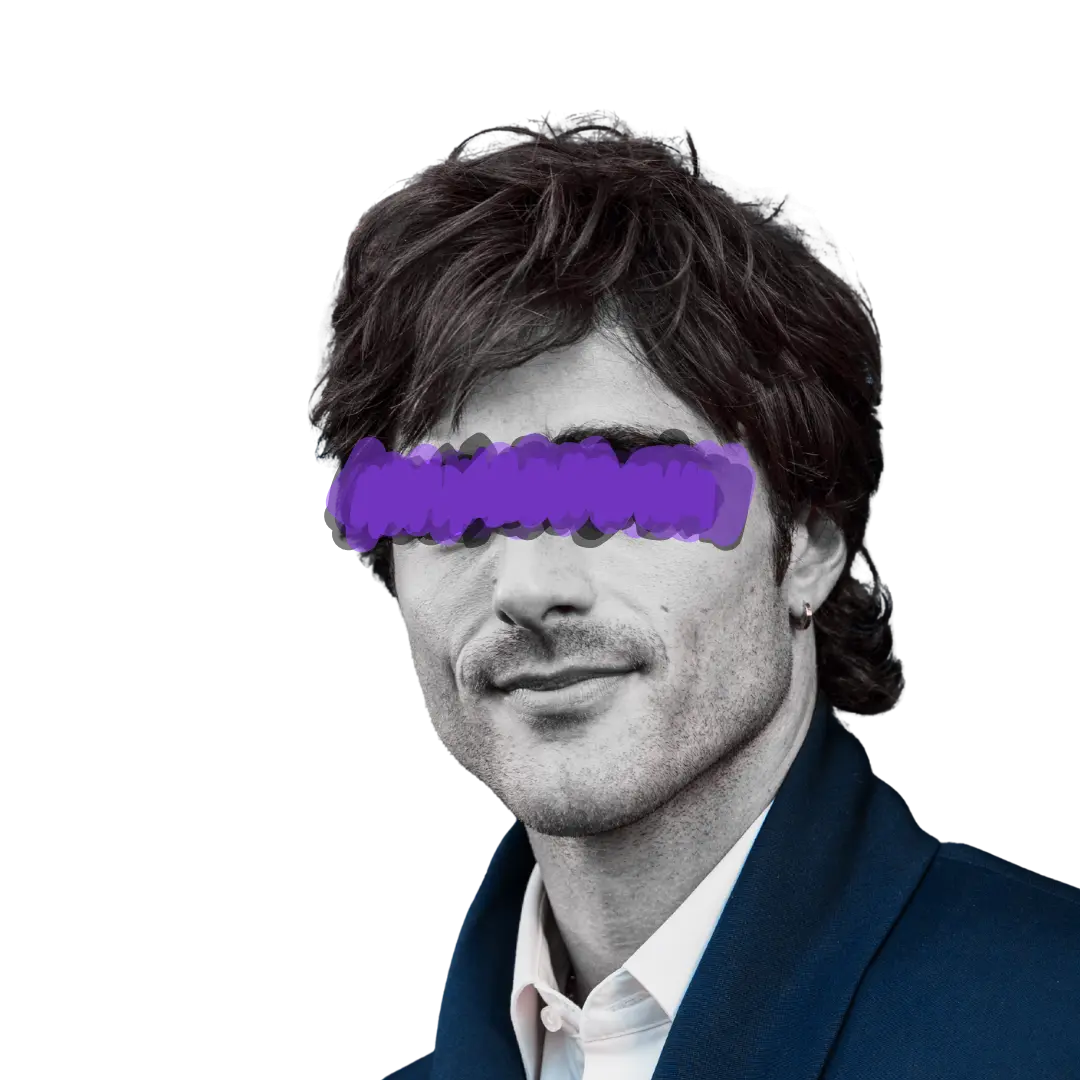
| Jacob Elordi | Type 4 - Individualist | The Reluctant Beauty | Depth. Someone who refuses to be reduced to surface. |
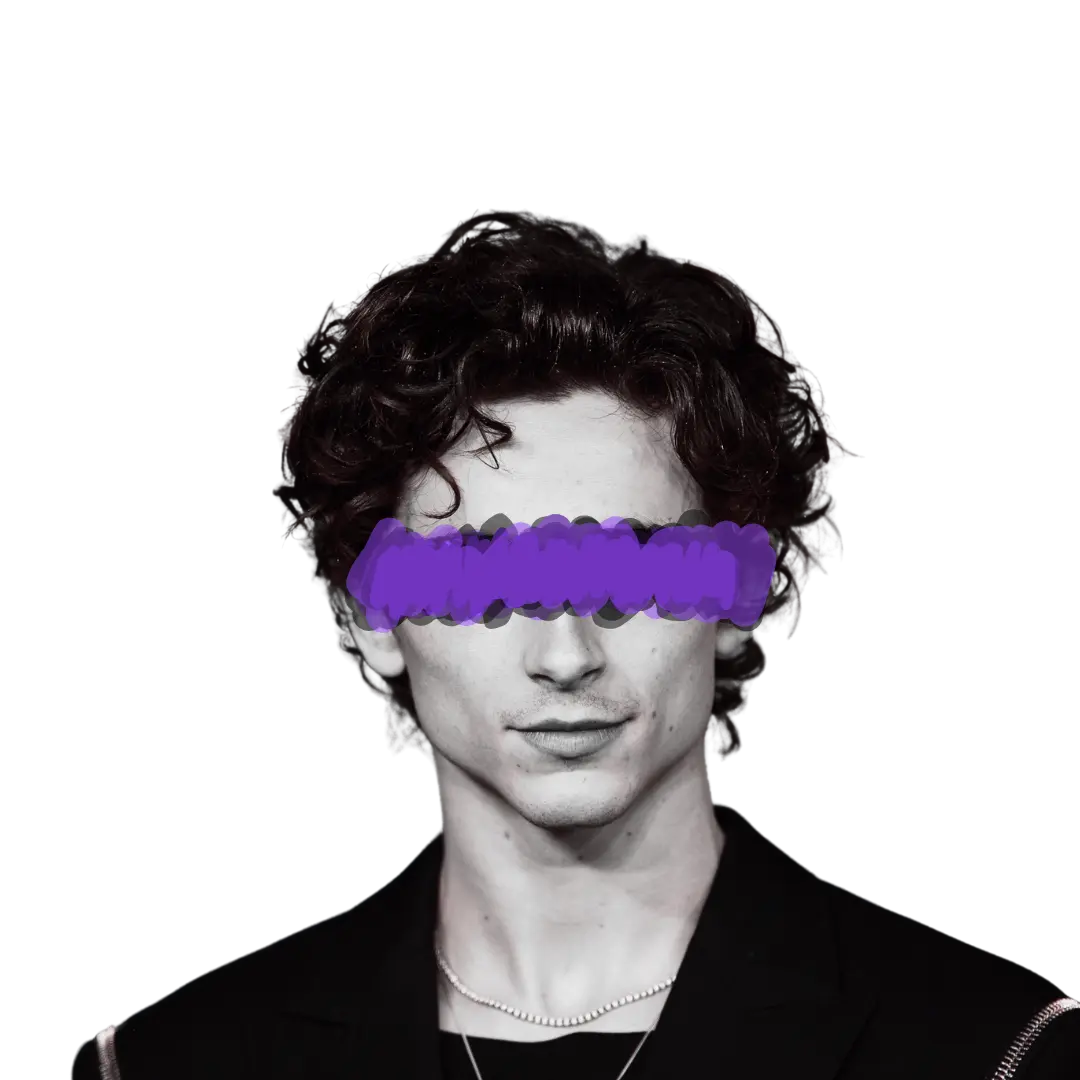
| Timothée Chalamet | Type 6 - Loyalist | The Sensitive Prodigy | Tenderness. A man who makes vulnerability look like strength. |
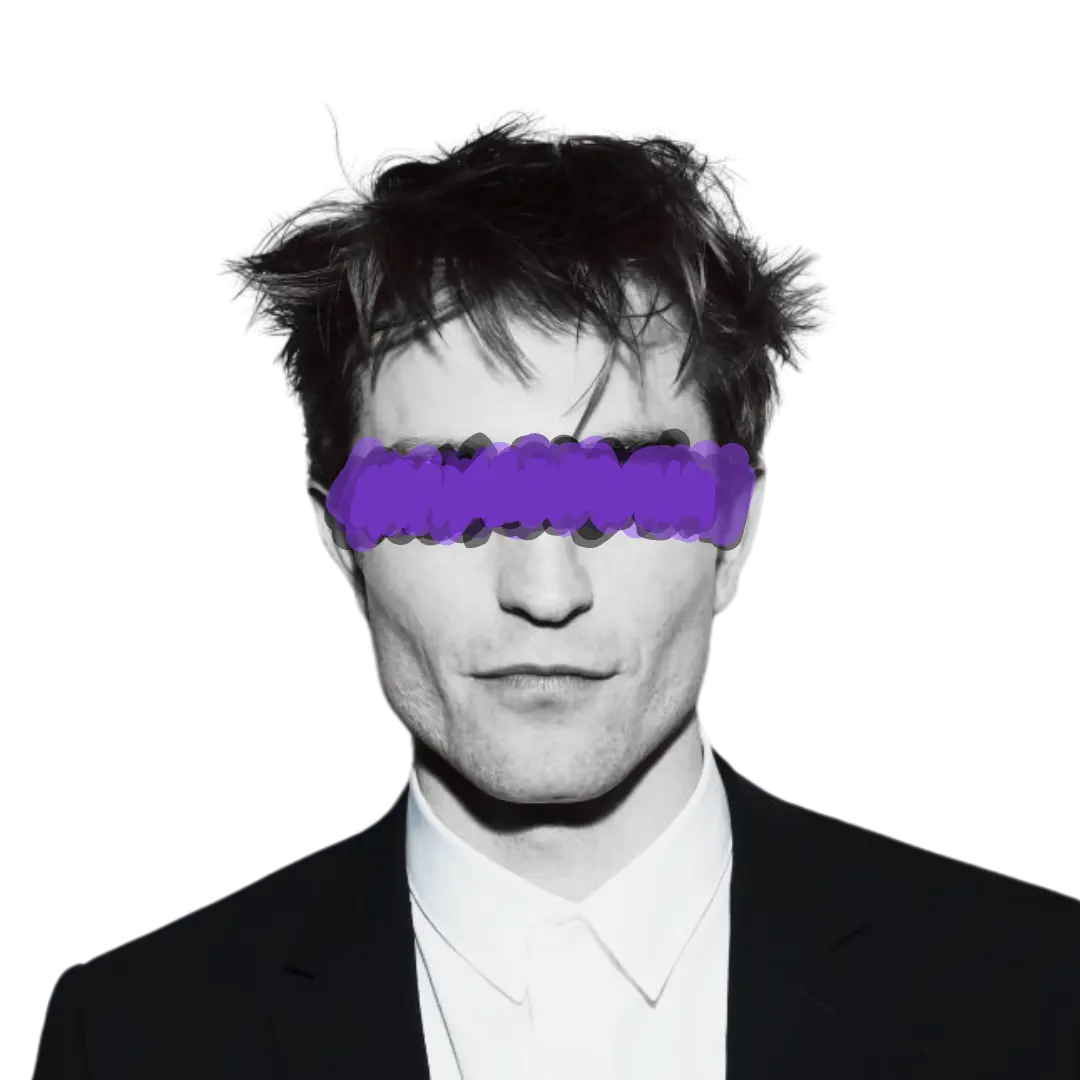
| Robert Pattinson | Type 4 - Individualist | The Beautiful Escape Artist | Mystery. The thrill of someone who can’t be possessed. |
| Tom Holland | Type 7 - Enthusiast | The Golden Retriever | Joy. Uncomplicated warmth with no dark edges. |
| Ryan Gosling | Type 9 - Peacemaker | The Calm Center | Peace. Steady presence in an anxious world. |
Pedro Pascal: The Man Who Became Everyone’s Father
Pedro Pascal spent roughly two decades as a working actor before the world decided he belonged to them.
Think about that timeline. He was a journeyman—TV guest spots, small film roles, the kind of career where you’re always one bad pilot season away from waiting tables again. He was in his late 30s when Game of Thrones cast him as Oberyn Martell in 2014. He was in his mid-40s when The Mandalorian made him a household name. He was pushing 50 when The Last of Us made him the most beloved man on the internet.
Most heartthrobs break out young—while they’re still forming their identity, before they have tools to process what’s happening. Pascal had decades of rejection, struggle, and personal loss behind him. And that’s precisely why his fame feels different.
The Refugee’s Nervous System
Pascal’s family fled Chile when he was 9 months old. His parents had been involved in the opposition to Pinochet’s dictatorship. They arrived in the U.S. via Denmark and eventually settled in San Antonio, Texas. His mother died by suicide when he was in his twenties.
This is Type 6 origin material.
Type 6s on the Enneagram are the Loyalists—driven by a core need for security in an unpredictable world. They are hyper-attuned to threat. They scan rooms, assess people, prepare for worst-case scenarios. But the healthy version of this looks like something audiences find irresistible: genuine warmth born from genuine worry.
What makes Pascal’s 6 particularly interesting is the counterphobic expression. Most people imagine anxiety as retreat—hiding, avoiding, going quiet. Pascal’s anxiety runs toward the threat. At a Cannes press conference, he told the room: “Fear is the way they win, and so keep telling stories and keep expressing yourself. Fuck the people that try to make you scared, and fight back. Don’t let them win.” That isn’t a fearless person talking. That’s a deeply fearful person who has decided that fear is the enemy, not the thing he’s afraid of. The counterphobic 6 doesn’t feel less anxiety than anyone else. They’ve just decided that the worst outcome is letting the anxiety win.
When Pascal tears up in an interview discussing his relationship with Bella Ramsey on The Last of Us, audiences sense that the emotion is real. Because it is. A Type 6 who grew up as a refugee, who lost his mother, who spent two decades in an unstable profession—that person’s protectiveness isn’t performance. It’s survival wiring expressed as love. He told Esquire about his younger siblings after his mother’s death: “They were very young kids, so much younger than me and my older sister, so even if they hadn’t lost a parent, we would still feel parental toward them. I just always wanted to be like, I’m here.”
Why “Internet Daddy” Works
The Mandalorian is a Type 6 who literally protects a child. Joel in The Last of Us is a broken father who finds a reason to keep going. These aren’t coincidental castings. Pascal radiates the specific frequency of paternal warmth—protective but anxious, strong but visibly worried—that activates something primal in audiences.
In an era where “daddy issues” has moved from clinical term to meme to cultural shorthand, Pascal landed as the father figure a generation didn’t know it was looking for. He’s leaned into it with characteristic self-deprecation. “I’m not going to pretend it doesn’t feel good,” he told Esquire, “because it does.” But there’s a 6’s nervousness underneath the gratitude—an awareness that the love of millions is a nice thing to have, and a terrifying thing to lose.
What His Life Actually Looks Like Now
Here’s the part the fan edits don’t show.
Pascal has described the disorientation of going from invisible to inescapable. He told GQ that the long years of anonymity were actually a gift: “I’ve been doing this for so long that when it finally happened, I knew what to do with it.” But knowing what to do with fame means his Type 6 threat-detection system—already calibrated by a refugee childhood—running at full volume in every public space. The man whose warmth draws millions in is the same man whose nervous system never stops scanning for what comes next.
His connection to LGBTQ+ audiences runs deeper than most heartthrobs’. His public advocacy for his trans sister Lux wasn’t a calculated PR move—it was a Type 6 protecting family, the thing 6s do most naturally. When he posted about Lux coming out, he wrote: “Mi hermana, mi corazón, nuestra Lux.” He told Esquire: “My protective side is lethal, but I need her more than she needs me.” That sentence is the counterphobic 6 in miniature—fierce protectiveness laced with the awareness that the person he’s protecting is actually stronger than he is.
For queer fans, Pascal’s protectiveness registers as genuine in ways that performative allyship never does. His sister Lux has said what makes Pedro special is that “he wears all of his humanity on his sleeve, and he doesn’t hide who he is.” They sense that his warmth extends to them specifically, not as a branding exercise but as an extension of the same wiring that makes him the anxious guardian in every role he plays.
The fans who love him most are the ones who would horrify him if they showed up at his door. And some of them have tried.
Jacob Elordi: The Man Who Wants to Burn His Own Image
If Pedro Pascal is the heartthrob who accepts the love, Jacob Elordi is the one trying to claw his way out of it.
Elordi became famous for The Kissing Booth, a Netflix teen rom-com franchise that made him the object of desire for millions of teenagers. He told GQ: “I didn’t want to make those movies before I made those movies.” He followed that with Euphoria, which required him to be shirtless and physically imposing, and which reduced him, in the eyes of millions of fans, to a body. When asked about the Hollywood wisdom of doing “one for them, one for me”—the idea that you take a commercial role to earn the right to an artistic one—he said: “You have no original ideas and you’re dead inside.”
This is the cry of a Type 4.
The Individualist’s Nightmare
Type 4s on the Enneagram are driven by a need to be seen as unique, authentic, and irreplaceable. Their deepest fear is having no identity—being ordinary, interchangeable, or defined by someone else’s projection. For most people, being told “you’re incredibly attractive” is flattering. For a 4, it can feel like erasure. You’re not seeing me. You’re seeing a surface.
Elordi has described fan encounters where people touched him without permission. When it happened on set, he made the comparison explicit: “Can you imagine if I said to a woman, ‘Daaaaamn, look at your waist!?‘” It’s a violation of bodily autonomy that’s more commonly discussed when it happens to women, but that hits a male Type 4 with particular force. The 4’s sense of self is fragile, constructed through careful internal work. Having millions of strangers project their fantasies onto that self is like watching someone paint graffiti over your most personal artwork.
The Deliberate Pivot
Watch Elordi’s filmography and you’re watching a Type 4 fight for its life.
The Kissing Booth (teen heartthrob) → Euphoria (prestige TV, but still the hot guy) → Saltburn (provocative arthouse, Emerald Fennell) → Priscilla (Sofia Coppola, playing Elvis). Each step is a deliberate move toward directors who will see him as material, not decoration. He’s cited Ingmar Bergman and Paul Thomas Anderson as inspirations. He wants to direct.
Here’s the paradox that fuels his fame: running from heartthrob status is the most attractive thing a heartthrob can do. Scarcity creates desire. A man who seems slightly disgusted by the attention is more intriguing than one who basks in it. Elordi’s disdain for the fame machine—his visible discomfort in interviews when asked about his looks, his refusal to perform gratitude for being objectified—reads to fans as depth. As realness. The more he resists being the thing they want, the more they want him.
The 4 builds a trap it can’t escape by being exactly who it is.
What Fans Don’t See
Elordi is 6’5”. He cannot disappear. He cannot put on a hat and blend in. He has described walking down streets and hearing screams—not the excited screams of recognition, but the primal sound of people who feel ownership over the sight of him. His body, which he resents being valued for, is the thing that makes anonymity impossible.
Every Type 4 longs for a world that sees them clearly. Elordi lives in one that stares at him constantly and doesn’t see him at all.
Robert Pattinson: The Most Committed Saboteur in Hollywood History
Robert Pattinson became the most desired man in the world in 2008, and he has spent nearly every day since then trying to make it stop.
The Twilight saga made Pattinson a global heartthrob at 22. The premieres were genuinely dangerous—fans broke through barriers at the New Moon premiere, people were crushed, security teams rivaled those of political events. Pattinson described the sound of screaming fans as “terrifying” and compared premieres to “what I imagine a war zone sounds like.”
While the franchise was still running, he started dismantling it from the inside.
The Anti-Twilight Campaign
At a Comic-Con panel, Pattinson described his own character—Edward Cullen, the romantic ideal for millions of women—as “a 108-year-old virgin who sneaks into girls’ rooms to watch them sleep.” He called Edward “the most boring person in the world.” He told Empire that the character was “essentially an axe murderer” if you removed the romantic framing. He said, publicly and repeatedly, that the books the franchise was based on were not good.
No actor in modern Hollywood has ever trash-talked their own franchise this consistently, this publicly, or with this much apparent glee.
This is Type 4 psychology at its most visible.
Why a 4 Runs From Desire
Type 4s need to be understood—truly, specifically, authentically understood. Twilight made Pattinson understood by no one. Millions of women wanted Edward Cullen, a fantasy of brooding perfection. Pattinson knew that person didn’t exist. The love wasn’t for him. It was for a projection.
For a type that builds identity through internal depth and authentic self-expression, being loved for something fake is worse than being ignored. So Pattinson did something extraordinary: he launched a decade-long campaign to destroy his own image.
The Indie Gauntlet
After Twilight ended, Pattinson took on one of the most aggressive career pivots in Hollywood history. He worked with David Cronenberg (Cosmopolis), Claire Denis (High Life), Robert Eggers (The Lighthouse), and the Safdie brothers (Good Time). Each choice was deliberately unglamorous. He gained weight. He grew bizarre facial hair. He chose roles where he’d be ugly, dirty, desperate, or insane.
Good Time (2017) was the turning point. Playing a desperate criminal in a neon-soaked thriller, Pattinson was completely unrecognizable. He later said the Safdie brothers were “the first directors who made me feel like I was actually acting and not just being looked at.”
Read that again. For nearly a decade of his career, one of the most famous actors in the world felt like he was being looked at, not seen.
The Self-Deprecation Machine
Pattinson’s interviews are performance art designed to make you question whether he’s stable. He has:
- Described his cooking method as microwaving pasta until it explodes
- Called himself someone who looks like he was “beaten with a bag of hot nickels”
- Explained his acting technique as “I just try to look confused, and people interpret it as brooding”
- Discussed, at length and with apparent sincerity, his general inability to function as an adult
This is 4 deflection—but a fundamentally different strain from Elordi’s. Both men are Type 4s resisting the heartthrob label. But Elordi’s resistance is cold and curated: he withdraws, chooses austere directors, treats his career like a series of apprenticeships with auteurs. It’s the 4 building a fortress of taste. Pattinson’s resistance is entropic. He doesn’t withdraw from the spotlight; he fills it with absurdity until the fantasy should collapse. He told the New York Times that boring press questions put him in “a fugue state” where he’d start inventing stories—and after rewatching himself fabricate a tale about seeing a clown die in a small car explosion, he admitted: “There was absolutely no hesitation at all. I’m like, ‘What on earth? Are you possessed?‘”
Elordi wants you to take him seriously. Pattinson wants you to stop trying to figure him out. Both make themselves more magnetic in the process. But the mechanism is opposite: one tightens control, the other detonates it.
The Toll
The logistics of Pattinson’s fame during peak Twilight were extreme—the kind that belong in a survival manual, not a career retrospective. But the psychological toll was specific to his type. He developed what he’s described as essentially dissociative coping—mentally leaving his body during intense fan interactions. The man who built a career on authentic emotional expression learned to feel nothing in order to survive being desired by millions.
His relationship with Kristen Stewart was conducted entirely under surveillance. When the public cheating scandal broke in 2012, millions of people who had never met either of them experienced it as personal betrayal. They grieved. They raged. They picked sides. Two real humans going through real pain became content for parasocial consumption.
The Type 4 who wanted authentic connection watched his most intimate relationship become everyone’s entertainment.
But here’s where the story turns. Pattinson and Suki Waterhouse had a daughter in 2024, and fatherhood did something a decade of indie films couldn’t: it pulled him out of the defensive crouch. He told Harper’s Bazaar: “In the most unexpected ways, having a baby gives you the biggest trove of energy and inspiration afterward. It’s reinvigorated the way I approach work.” More telling: “I’ve been such a hermit. I never really met my neighbors before. And now, because you’re just constantly in the playground all the time, I’m just hanging out with my neighbors.” Waterhouse put it simply: “For someone who’s quite an anxious person, he’s been very calm.”
The man who spent a decade building walls found that a baby knocked them down from the inside. This is Type 4 integration—moving toward the healthy qualities of Type 1, finding structure and stability not through control but through purpose. The heartthrob who couldn’t be possessed finally let someone possess him completely.
Timothée Chalamet: The Boy Who Makes You Want to Protect a Movie Star
Timothée Chalamet is wealthy, critically acclaimed, and one of the most successful actors of his generation. He’s also the man who makes millions of people feel a parental urge to take care of him.
This is the Chalamet paradox, and it runs on Type 6 wiring.
The Nervous Prodigy
Watch Chalamet at an awards show and you’ll see it. At the Critics Choice Awards in 2026, accepting an award for Marty Supreme, his first words were: “Damn, I’m more nervous than I thought I’d be.” This wasn’t performance humility. You could see it in his hands. At the Venice Film Festival for Bones and All, he told the press conference: “To be young now—I can only speak for my generation—is to be intensely judged. I can’t imagine what it is to grow up without the onslaught of social media. You can find your tribe there, but I think it’s tough to be alive now.”
That’s a 6 scanning for threats and finding them everywhere. Social media means constant exposure. Constant exposure means constant vulnerability. A Type 6 processes that vulnerability not by armoring up (that’s an 8) or by withdrawing (that’s a 5) but by remaining alert, cautious, and slightly anxious—which paradoxically reads to audiences as real.
But here’s what separates Chalamet from a 6 who’s simply nervous: the ambition burns alongside the anxiety. At the SAG Awards in 2025, he said something most actors would never admit: “I know we’re in a subjective business, but the truth is, I’m really in pursuit of greatness. I know people don’t usually talk like that, but I want to be one of the greats.” That’s a 6 who has assessed the risk landscape and decided the biggest threat isn’t failure—it’s mediocrity. The anxiety fuels the ambition rather than paralyzing it.
In a culture that has learned to spot performance—that can smell inauthenticity from three TikToks away—Chalamet’s visible nervousness is his superpower. He seems like the one famous person who is actually as overwhelmed by all this as you would be. And then he tells you he wants to be one of the greats, and you believe him, because you watched him shake while he said it.
The Careful Career
Type 6s assess risk. They don’t leap—they calculate.
Chalamet’s career choices reflect this. Call Me by Your Name was risky (indie, queer romance, unknown lead). But it was directed by Luca Guadagnino, based on an acclaimed novel, and the kind of prestige project that could launch a career if it worked and be forgiven if it didn’t. Dune was a massive franchise bet—but with Denis Villeneuve directing. Wonka was a commercial play—but one that let him show range without taking a real creative risk.
Every choice hedged. Every leap calculated. This is the 6 operating at high function: bold enough to seize opportunities, careful enough to never bet the whole stack on one hand.
Fashion as Armor
At the Venice Film Festival for Bones and All in 2022, Chalamet wore a backless red halter top. It became a massive cultural moment. He’s pushed boundaries with fashion consistently, working closely with designer Haider Ackermann rather than relying on a traditional stylist.
Here’s what’s interesting: Chalamet’s fashion reads as confidence, but his interviews read as anxiety. That tension is the 6 in full view—performing boldness externally while processing uncertainty internally. The fashion becomes armor. If you choose to be looked at on your own terms, you retain some control over what people see. For a 6 navigating the terrifying exposure of heartthrob fame, controlling the surface is a way to protect the interior.
What It Costs Him
Chalamet has cited Daniel Day-Lewis and Joaquin Phoenix as inspirations—notably, two men known for intensity and privacy, not for heartthrob status. When interviewers call him a heartthrob, he deflects to craft. He doesn’t want the conversation to be about his face. He wants it to be about the greatness he told you he’s pursuing. But the 6’s visible discomfort with the label, like Elordi’s 4-driven resentment, only makes the label stick harder. The man who told a room full of journalists that it’s tough to be alive now is exactly the kind of man this generation wants to protect—which is how a movie star becomes everyone’s younger brother.
Tom Holland: The Exception That Proves the Rule
Every generation of heartthrobs has one: the man who is famous not for brooding or suffering but for being happy. Tom Holland is that man, and he runs on Type 7 energy.
The Anti-Heartthrob Heartthrob
Where 4s and 6s attract through darkness and vulnerability, Holland attracts through genuine enthusiasm. He’s energetic, open, slightly clumsy, and famously incapable of keeping secrets. Marvel Studios eventually started giving him fake scripts because he kept accidentally spoiling films. “They don’t tell me anything anymore,” he’s said, “because they know I can’t keep my mouth shut.”
This is textbook Type 7 impulsivity—the mouth moving faster than the filter, the enthusiasm overwhelming the strategy. 7s live in the moment. They say yes before they think. They share before they calculate. In a culture where every celebrity utterance is focus-grouped and PR-approved, Holland’s inability to perform caution reads as refreshing honesty.
The Zendaya Dynamic
Holland’s relationship with Zendaya is one of the most closely watched in Hollywood. When paparazzi photographed them kissing in a car in 2021, Holland said something striking: “One of the downsides of our fame is that privacy isn’t really in our control anymore, and a moment that you think is between two people that love each other will become a moment that is shared with the entire world.”
That’s unusually articulate for a 7. It suggests growth—the 7 integrating toward 5, getting reflective, sitting with the discomfort instead of reframing it as a joke.
The dynamic itself is fascinating through the Enneagram lens. Zendaya has been typed as a 6—cautious, strategic, controlled. Holland’s 7 energy lifts her anxiety. Her 6 energy grounds his impulsivity. For fans, the pairing represents something aspirational: what it looks like when joy and caution find each other.
The Mental Health Pivot
In August 2022, Holland posted a video announcing he was stepping away from social media. He called it “overstimulating” and “overwhelming.” He said reading comments about himself sent him “spiraling.” For a Type 7—a type that seeks stimulation, that runs from boredom, that usually can’t get enough input—voluntarily cutting off a source of input means it crossed the line from exciting to painful.
But the social media break was only half the story.
The Sobriety Arc
Seven months before that video, Holland had committed to Dry January as a casual challenge. He never went back.
He told Jay Shetty what the first weeks felt like: “All I could think about was having a drink. That’s all I could think about. I was waking up thinking about it. I was checking the clock—‘When’s it 12pm?’ It just really scared me.” He tried a second month. “It got no easier.” Then he named the thing underneath: “I didn’t really one hundred percent know if I was addicted, but I knew that I was dependent on alcohol. And that’s a scary feeling.”
This is textbook Type 7 confronting its shadow. 7s manage pain through stimulation—through the next experience, the next drink, the next distraction. The difficulty isn’t excess; it’s the inability to sit with the absence. Alcohol was the 7’s escape hatch from the one thing 7s fear most—being trapped in discomfort with no exit.
Going sober meant voluntarily choosing the discomfort. And then something shifted. “I could sleep better. I could handle problems better. Things that would go wrong on set that would normally set me off, I could take in my stride. I had such better mental clarity.” This is the exact growth direction for a Type 7—moving toward the healthy qualities of Type 5: stillness, introspection, being present with what is instead of chasing what’s next. Without alcohol numbing the edges, he could see clearly what was actually hurting him—and social media was at the top of the list.
Holland eventually co-founded Bero, a non-alcoholic beer brand—turning his sobriety into something characteristically 7: a new venture, a new enthusiasm, but this time pointed in a healthier direction. He later starred in The Crowded Room (2023), playing a character with dissociative identity disorder, and described it as the most emotionally taxing work of his career. Without sobriety, he’s said, he doesn’t know how he would have survived the role.
The golden retriever didn’t just find a fence. He chose to sit still on one side of it—and discovered he could survive there.
Ryan Gosling: The Template They’re All Variations Of
Before Pascal was the anxious guardian, before Chalamet was the sensitive prodigy, before Pattinson was the beautiful escape artist—there was Ryan Gosling, sitting quietly in the center of all of it.
The Type 9 Calm
Gosling’s interview persona is almost unnervingly peaceful. Where other actors perform either intensity or charm, Gosling simply is. He’s present. He’s relaxed. He seems like a man who has exactly the amount of fame he needs and zero interest in more.
This is Type 9 energy—the Peacemaker, the type that maintains internal calm by merging with whatever environment presents itself. 9s don’t push. They absorb. In a culture saturated with anxiety—political anxiety, economic anxiety, social media anxiety, pandemic anxiety—Gosling’s calm registers as something close to heroic.
The Accidental Heartthrob
Gosling’s path to heartthrob status is the most unlikely of the group. Director Nick Cassavetes cast him in The Notebook (2004) specifically because he wasn’t conventionally handsome: “I want you to play this role because you’re not handsome. You’re not cool. You’re just a regular guy who looks a bit nuts.” It worked. Gosling’s ordinary-guy energy—the earnestness without polish—created something audiences hadn’t seen in a romantic lead: a man who looked like he might actually exist in your life.
Drive (2011) pushed this further. Gosling reportedly asked director Nicolas Winding Refn for fewer lines than the script contained. The result was a near-silent performance—a man who communicates through presence rather than words. This is textbook 9 behavior. While 4s pour out their inner world and 6s process anxiety aloud, the 9 sits still and lets the environment fill in what they mean. Audiences project whatever they need onto that silence. Gosling understood this instinctively: say less, become more.
The Disappearing Act
Between 2013 and 2016, Gosling essentially vanished from Hollywood. He directed one film—Lost River (2014), which was savaged by critics—and then went quiet. No major acting roles. No press tours. No public persona management.
He later explained the disappearance with characteristic understatement: “I needed a break from myself as much as the audience needed a break from me.”
What he was actually doing: being a father. Gosling and Eva Mendes—who met on the set of The Place Beyond the Pines (2012)—had their first daughter in 2014 and their second in 2016. The couple has never walked a red carpet together. They keep their children entirely out of the public eye. Gosling has no social media accounts. In an industry where visibility is currency, he chose to disappear into domestic life with the same quiet conviction he brings to everything.
When he accepted the Golden Globe for La La Land (2016), he dedicated the speech to Mendes: “While I was singing and dancing and playing piano and having one of the best experiences I’ve ever had on a film, my lady was raising our daughter, pregnant with our second, and trying to help her brother fight his battle with cancer.”
This is the 9’s version of the disappearing act—not the dramatic 4-style withdrawal of Pattinson or Elordi, but something quieter. The 9 doesn’t run from fame. They simply prioritize something else. They merge into a new identity—in this case, fatherhood—and the world barely notices they’re gone until they come back.
The Barbie Revelation
When Gosling took the role of Ken in Greta Gerwig’s Barbie (2023), it was a Type 9 doing something rare: stepping fully into the joke. His performance of “I’m Just Ken” at the Oscars—an anthem about a man whose entire identity is defined by someone else’s perception of him—was both hilarious and devastatingly sincere.
“Ken is all of us,” Gosling said. “We’ve all felt like we’re just someone’s Ken.”
A 9 recognized the universal experience of being defined by others rather than defining yourself—and made it funny, and made it hurt, and made an entire culture see itself in a plastic doll. This is the 9’s gift. They’re so merged with the collective experience that when they finally speak, it sounds like everyone’s truth.
The Hey Girl Legacy
The “Hey Girl” meme—feminist Tumblr posts imagining Gosling saying respectful, emotionally intelligent things to women—originated around 2008 and became one of the defining memes of internet culture. Gosling handled it with quiet grace: “I think it’s funny. I don’t think it’s really about me.”
He was right. The meme was about women’s fantasy of an emotionally available man. But the fact that Gosling was chosen as the vessel—and that he understood the meme wasn’t about him—is pure 9 awareness. The 9 knows they’re a screen for other people’s projections. The healthy 9 doesn’t fight it. They let it happen and stay themselves underneath.
The Dark Side of the Glass: What Heartthrob Life Actually Looks Like
The fan edits are set to soft music. The reality is more like a thriller.
The Logistics of Being Desired by Millions
Every heartthrob eventually develops the same set of survival skills:
Exit scanning. You learn every restaurant’s back entrance. You note where the kitchen door leads. You sit with your back to the wall. Pascal, Holland, Elordi—they’ve all described this behavior. For a Type 6 like Pascal, it comes naturally. For the others, it’s a learned response to a world that wants a piece of them.
The disguise ritual. Hats, hoods, sunglasses. Pattinson grew a beard as a disguise and joked that it still didn’t work. Holland has talked about wearing hats pulled low and being unable to visit London pubs without being swarmed. Chalamet navigates New York in baseball caps. None of it works reliably. The disguise itself becomes content—“spotted: [celebrity] trying to be anonymous.”
The phone problem. You cannot eat dinner in public without someone photographing your food, your companion, your expression. Screenshots of your location hit group chats within minutes. Your private meal becomes public record before you’ve asked for the check.
The things you lose. Bookstores (Pattinson). Anonymous walks in your hometown (Chalamet). Going to the gym without paparazzi publishing the photos (all of them). Using a dating app (impossible). Visiting family without bringing attention to their home (constant worry).
When Fans Cross Lines
The stalker stories are worse than most people realize.
Pattinson changed apartments multiple times during peak Twilight because fans discovered where he lived. He described seeing long-lens camera flashes from the building across the street. A woman showed up at his door and wouldn’t leave. He has used the word “fugitive” to describe how he felt in his own city.
Elordi has described fans grabbing him—putting hands on his body without permission. For a man who already resents being reduced to a physical object, uninvited touch isn’t just scary. It confirms his worst fear about what his fame means: that people don’t see a person. They see a thing. Something they’re entitled to touch.
The Twilight premieres were crowd control nightmares. Thousands camped for days. Barriers broke. People fainted. People were crushed. Security teams compared the events to managing political rallies. And at the center of every one of these events: a 22-year-old Type 4 who didn’t understand why he’d been chosen for this.
The Relationship Tax
Heartthrob fame is uniquely destructive to romantic relationships. Your partner knows that millions of people fantasize about you. The fans know your partner exists and many of them resent it. Every private moment is potential content.
Pattinson and Stewart’s most painful moments became content. Holland lost private moments to long lenses. The intimacy that most people take for granted—a private kiss, an unguarded moment—becomes impossible.
For the heartthrobs’ partners, the dynamic is surreal. You’re in a relationship with someone that millions of strangers believe belongs to them. The parasocial entitlement extends to their romantic lives: fans feel betrayed by the heartthrob’s relationship choices the way you’d feel betrayed by a partner’s infidelity. The emotions are real even though the relationship isn’t.
What Our Heartthrob Choices Reveal About Us
Every generation picks its heartthrobs, and every generation’s choices are a mirror.
The 1980s chose invulnerable men—Schwarzenegger, Stallone, Cruise. Physical dominance. Stoic authority. This was Reagan-era masculinity: the man as fortress. The culture wanted protection through strength, and the heartthrobs delivered it.
The late 1990s chose men who started cracking the facade. Brad Pitt in Fight Club was a heartthrob whose movie was about the toxicity of masculine ideals. DiCaprio in Titanic was strong but sensitive, artistic, and poor—a romantic lead who drew pictures and cried. Johnny Depp built a career on playing beautiful weirdos. The cracks were showing.
Now look at what this generation chose: two anxious protectors and two brooding artists.
Pascal and Chalamet are Type 6s—men defined by visible worry, genuine warmth, and the kind of vulnerability that looks like honesty. Elordi and Pattinson are Type 4s—men defined by resistance to being defined, artistic ambition, and the paradox of running from desire. Holland is a 7 who provides relief from the intensity. Gosling is a 9 who provides calm.
Not a single action hero in the bunch. Not a single man whose appeal is based on physical dominance, stoic authority, or invulnerability.
What Changed
Post-#MeToo masculinity. The cultural reckoning around toxic masculinity made the old model of the dominant, aggressive male heartthrob less appealing and more threatening. Younger audiences gravitated toward men who signaled safety, consent, and emotional intelligence.
Therapy culture. The normalization of mental health discourse means emotional intelligence is now valued and legible. Audiences can appreciate a heartthrob who cries in interviews. Twenty years ago that would have been career poison. Now it’s the appeal.
The absent-father epidemic. Pascal’s “internet daddy” status didn’t emerge in a vacuum. In a culture where father absence is a defining generational experience, a man whose most famous roles are about protecting children activates something deeper than attraction. It activates longing.
Economic collapse of the provider model. The old heartthrob promised to protect you. The new one promises to understand you. As breadwinner masculinity becomes less achievable and less relevant, the appeal shifts from “he’ll take care of me” to “he’ll see me.”
The cosmopolitan shift. Pascal is Chilean. Chalamet is French-American. Elordi is Australian. The current heartthrob roster is notably more diverse in origin than the Cruise-Pitt-DiCaprio era, when the default was all-American. This isn’t accidental. Globalized media consumption means audiences in Seoul and São Paulo have as much influence on who becomes a heartthrob as audiences in Los Angeles. The “all-American” look lost its monopoly because America lost its monopoly on the audience.
Generational targeting. These heartthrobs don’t share an audience—they divide one. Pascal’s fans skew millennial and elder Gen Z, drawn to the paternal warmth of a man who’s lived enough life to earn it. Chalamet’s fans skew youngest—Gen Z and younger millennials who grew up performing confidence on social media and are starving for someone who admits to being overwhelmed. Holland hits the middle ground. Different generations have different psychological needs at different life stages, and the heartthrob machine casts accordingly.
The Curated Authentic
A necessary caveat: every one of these men has a team—agents, publicists, stylists, social media strategists—shaping the “authentic” persona fans consume. Pattinson’s chaotic interview style could be genuine Type 4 entropy, or it could be a carefully cultivated brand of relatable dysfunction. Chalamet’s fashion risks are made in collaboration with designer Haider Ackermann, not alone in his closet. Pascal’s warmth in interviews happens in settings controlled by publicists who know exactly how much vulnerability to let through.
This doesn’t invalidate the personality analysis. The personality is the raw material; the team is the polish. A publicist can amplify a 6’s warmth or a 4’s mystique, but they can’t manufacture it from nothing. The interesting question isn’t whether these personas are managed—they all are—but why these specific personality configurations are the ones the machine decided to sell right now.
The Personality Mirror
Here’s the part that gets personal.
If Pedro Pascal is your heartthrob, think about what you do when you’re scared. Do you look for someone who worries about you the way you worry about everything? Pascal’s appeal isn’t sex or mystery—it’s the feeling that someone would stay awake all night making sure you’re okay. The fans who cry during his Last of Us scenes aren’t responding to acting technique. They’re responding to a version of paternal warmth they either lost or never had.
If Jacob Elordi pulls you in, notice what you’re actually responding to. It’s not his face—it’s his refusal to perform for you. You’re someone who distrusts ease, who finds eagerness suspicious, who believes that anything worth having should resist being had. The fan who watches Saltburn three times isn’t drawn to the character. She’s drawn to the actor who clearly thinks he’s better than the roles that made him famous—and she respects the audacity.
If Timothée Chalamet is the one, pay attention to the specific moment that hooked you. It was probably a moment of visible nervousness—the awards show fidgeting, the interview stumble, the flash of overwhelm that the publicist couldn’t smooth out. You want proof that a man can be brilliant and terrified at the same time, because you’re performing confidence every day and you’re starving for someone who admits they’re faking it too.
If Robert Pattinson fascinates you, you’re not drawn to him—you’re drawn to the chase. The man who describes his own cooking as microwaving pasta until it explodes isn’t trying to be relatable. He’s making himself impossible to pin down. You find predictability suffocating. You’d rather pursue someone endlessly than possess them—because the pursuit is the point.
If Tom Holland makes you feel something, it’s relief. You’re tired of brooding and tortured artists and men who make you work to figure out what they’re feeling. Holland spoils movies because he’s too excited to keep secrets. That’s it. That’s the appeal. You want someone who is exactly as happy as he looks.
If Ryan Gosling is your answer, you want the one thing this entire list can’t give you: quiet. In a world of anxious protectors and tortured artists and golden retrievers who can’t sit still, you want the man who just is. His fans tend to be the least vocal about it—which is very on-brand for a 9 and the people who love them.
Your celebrity crush isn’t a guilty pleasure. It’s a psychological fingerprint—one that tells you what you need, what you lack, and what you’re willing to seek at a distance because you haven’t found it up close.
The Machine Keeps Running
Right now, somewhere, a teenager is watching a fan edit of one of these men. The footage is slowed down. The music is soft. The celebrity is looking at the camera in a way that feels personal—intimate—like he sees her specifically, like the expression on his face is meant for her alone.
It isn’t. But the feeling is real.
And somewhere else, the man in the video is sitting in a room with blackout curtains, scanning his phone for mentions of his location, wondering if the person who followed him home last week will come back. He’s thinking about disguises. He’s thinking about exits. He’s thinking about the version of himself that lives inside millions of strangers’ heads—a version that looks like him but isn’t him, that feels like a roommate he never invited and can never evict.
The fan wants to be seen by someone extraordinary. The heartthrob wants to be seen by someone at all.
Both of them are staring through glass, reaching for something the other can’t give.
Rabbit Holes Worth Exploring
- Heartthrob Cycles and National Psychology: Do countries choose heartthrobs the way they choose leaders—based on collective emotional needs? Is the current preference for vulnerable men a response to cultural anxiety the way Reagan-era action heroes were a response to Cold War fear?
- The Heartthrob-to-Serious-Actor Pipeline: DiCaprio did it. Pattinson did it. Elordi is doing it. Is the pivot to “serious work” a Type 4 move (wanting depth) or a Type 3 move (wanting a different kind of achievement)?
- Fan Fiction as Psychological Portrait: The type of heartthrob determines the type of fantasy fans create. Pascal fan fiction is protective and domestic. Pattinson fan fiction is dark and mysterious. What does the fiction reveal about the fans?
- The Partner Effect: Zendaya made Tom Holland seem cooler. Suki Waterhouse made Robert Pattinson seem more stable. Do heartthrobs’ partners change their public type perception—or reveal it?
- The Wealth Fantasy: These men are worth tens to hundreds of millions of dollars. The heartthrob appeal isn’t purely emotional—it’s also material. When fans fantasize about a life with Pascal or Chalamet, they’re imagining financial security alongside emotional safety. How much of heartthrob attachment is aspiration disguised as attraction?
- The Algorithm’s Role: TikTok fan edits, Instagram reels, and YouTube compilations now do more to create and sustain heartthrob status than any film premiere. The algorithm learns what makes you linger and feeds you more of that face. Are heartthrobs still chosen by audiences, or are they manufactured by recommendation engines?
Disclaimer: This analysis is observational and speculative, based on publicly available interviews and behavioral patterns—not personal diagnosis.
They didn’t choose to be wanted like this. The wanting chose them—selected for the exact configuration of face, voice, and personality type that would activate the right psychological needs at the right cultural moment. Some of them fight it. Some lean in. All of them pay for it.
The next time you feel something stir when one of these men appears on your screen, pause. Notice which one it is. Notice what you feel. The warmth of safety. The pull of mystery. The ache of tenderness. The relief of joy.
That feeling is real data about who you are. Use it.