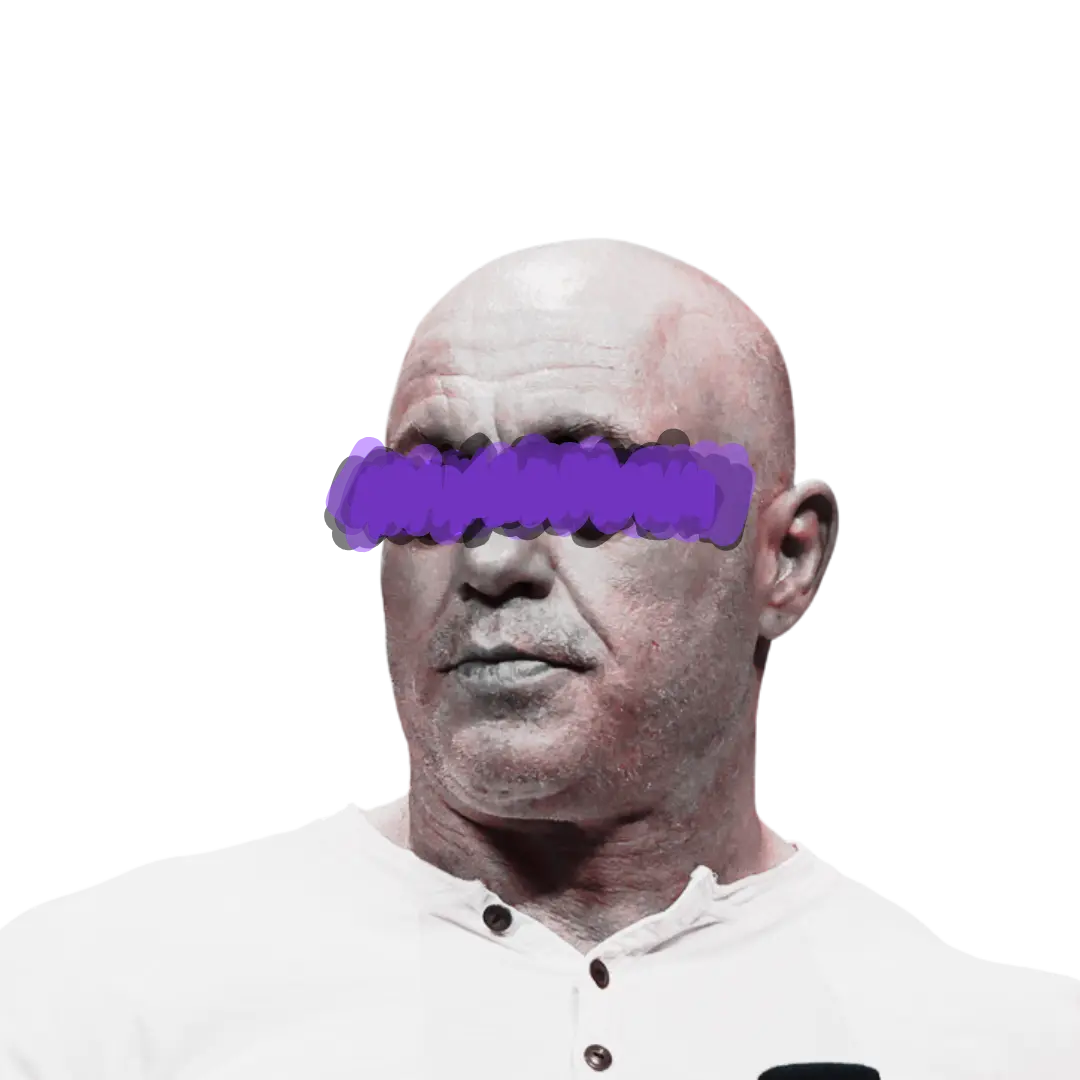

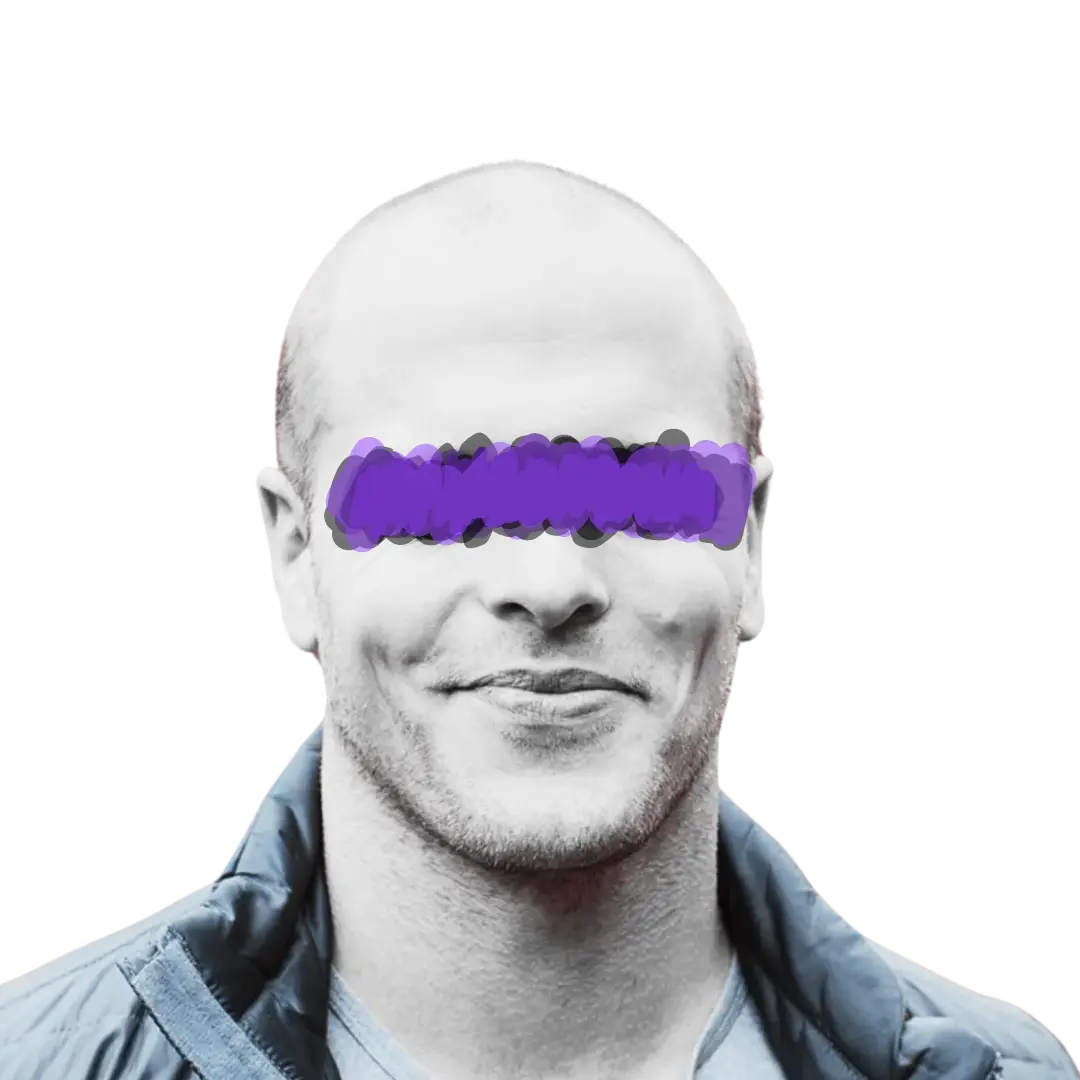
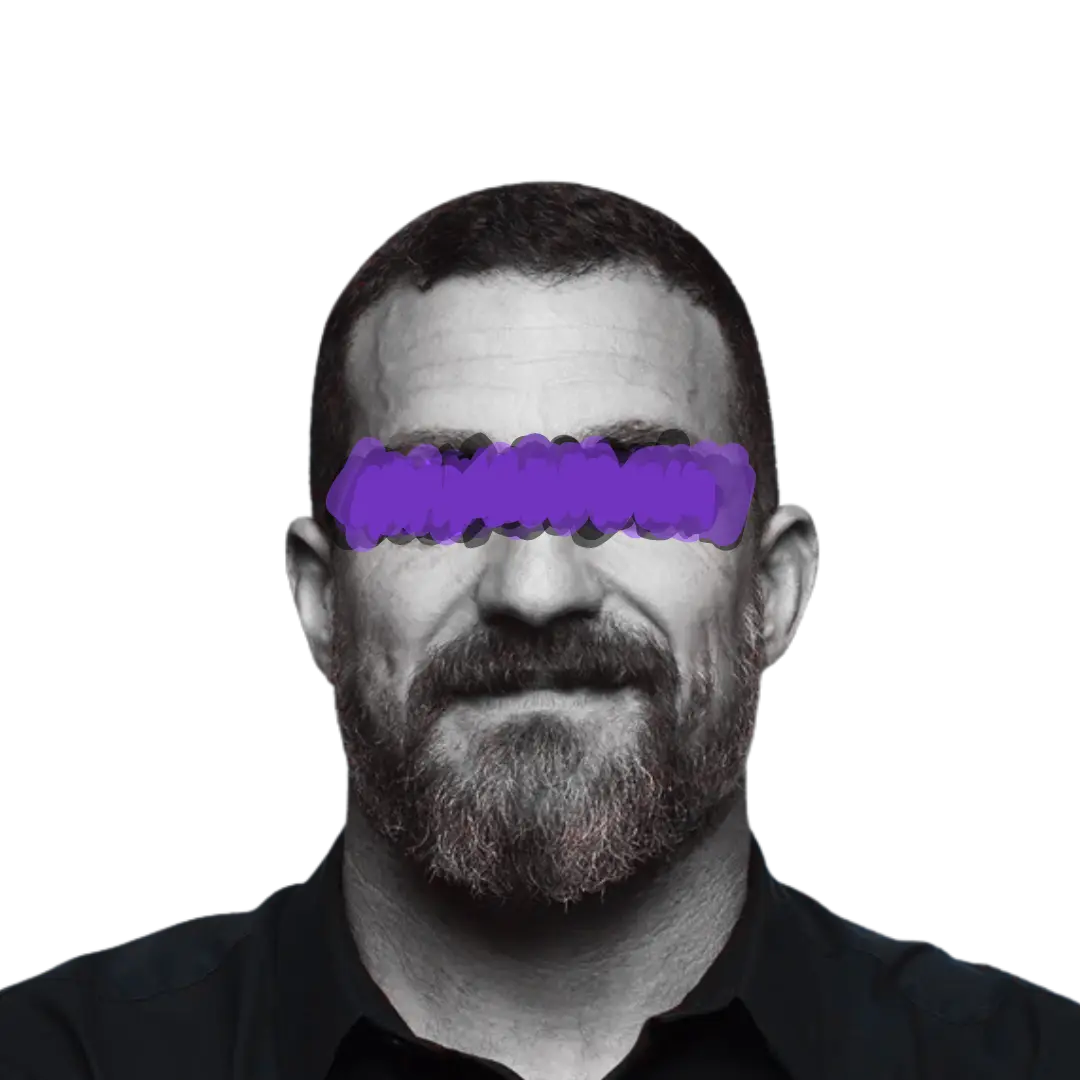
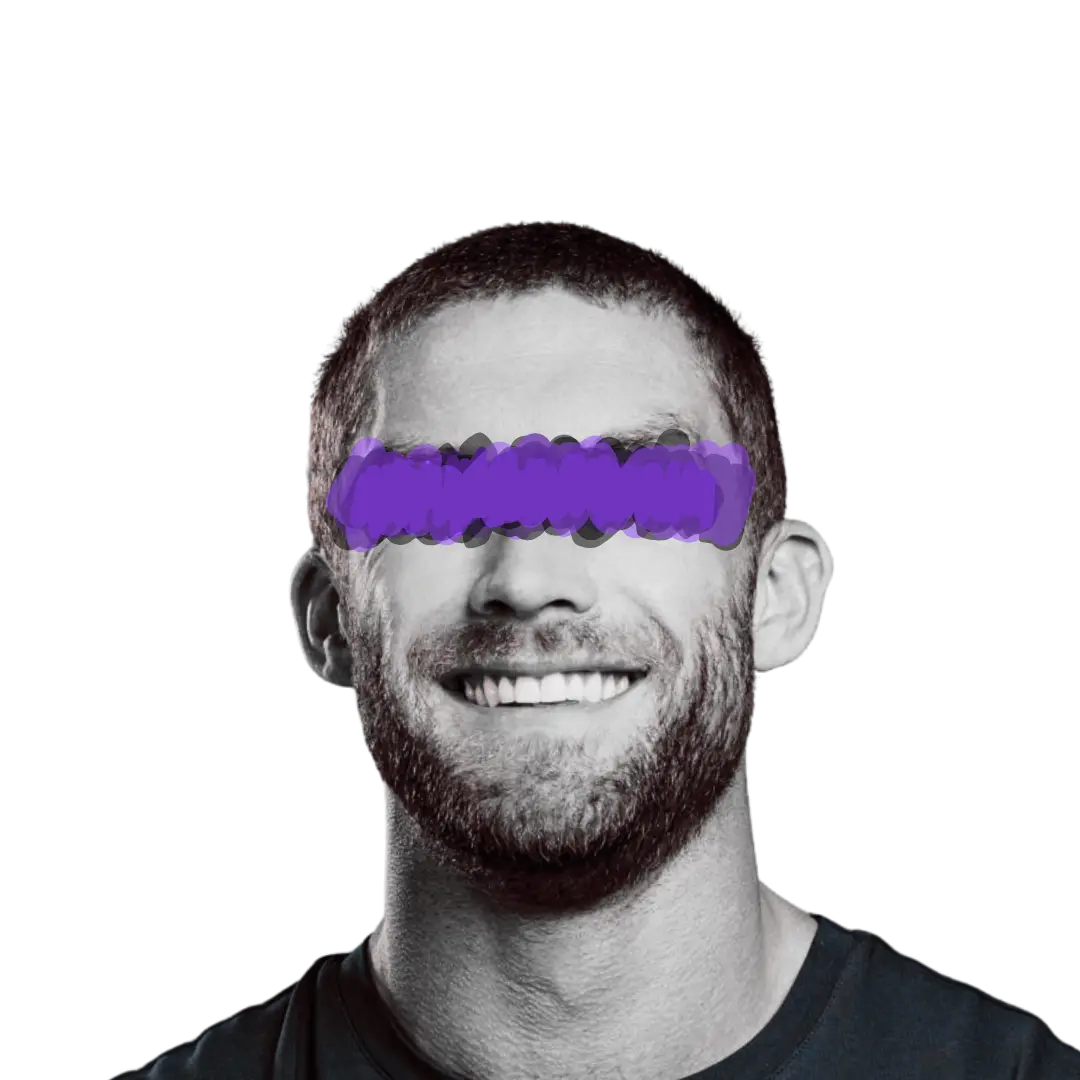
Somewhere around 2012, something shifted. Not loudly. Not in a way that made headlines. A generation of men quietly stopped watching cable news, stopped reading magazines, stopped listening to radio—and started pressing play on three-hour conversations between two people sitting across a table with nothing but microphones and time.
No teleprompter. No editor. No ad breaks every seven minutes. Just two people talking until they ran out of things to say, which almost never happened.
For the broader landscape of how personality type maps across the entire podcasting ecosystem—including Alex Cooper, Theo Von, Howard Stern, and more—check out The Podcaster Personality Map.
For the comedy-specific branch of that ecosystem, the Comedy Kings Enneagram analysis looks at why Type 7 and Type 9 comedians took so naturally to long-form podcasting.
The Podcast Bro Personality Map
| Podcaster | Enneagram Type | Interview Style | Core Need | What Listeners Get |
|---|---|---|---|---|
| Joe Rogan | Type 8 - Challenger | Alpha interrogation | Respect through strength | Unfiltered truth-testing |
| Lex Fridman | Type 5 - Investigator | Philosophical deep-dives | Understanding through connection | Depth and meaning |
| Tim Ferriss | Type 5 - Investigator | System deconstruction | Mastery through optimization | Actionable frameworks |
| Andrew Huberman | Type 5 - Investigator | Protocol delivery | Knowledge through science | Evidence-based protocols |
| Chris Williamson | Type 3 - Achiever | Benchmark interview | Success through self-improvement | Optimization roadmaps |
| Shawn Ryan | Type 5 - Investigator | Silent observation | Truth through patience | Intelligence briefings |
Act I: The Garage
It’s 2009. Joe Rogan is a UFC commentator and a stand-up comic who most people still associate with Fear Factor. He’s sitting in his house in Los Angeles with his friend Brian Redban, a microphone, and a webcam. No business plan. No advertiser deck. No vision for what this could become. Just a guy who likes talking and wanted to keep the conversation going after the bar closed.
The first episodes of The Joe Rogan Experience were messy, unstructured, and long. Rogan talked about whatever he wanted: MMA fights, conspiracy theories, comedy, hunting, psychedelics, the simulation hypothesis. There was no format because Rogan didn’t want a format. He wanted to talk. The length—two hours, three hours, sometimes four—was what happened when you removed every constraint that traditional media imposed.
This was a Type 8 building an environment in his own image. The Challenger’s core drive is autonomy. Every structural choice Rogan made (or didn’t make) was the 8’s psychology expressing itself: no boss, no editor, no rules. The chaos was the format. And millions of people were starving for exactly that.
Nobody predicted that the lack of structure would become the product’s greatest strength. Traditional media’s seven-minute segment format guarantees nothing gets below surface level. Rogan’s show stripped all of that away and discovered something: listeners are more loyal when they feel like they’re hearing the unedited version.
By 2015, The Joe Rogan Experience was consistently one of the top podcasts in the world. And a handful of people were watching and thinking: I could do a version of this.
Act II: The Network Forms
The podcast bro movement didn’t emerge from a conference room or a media incubator. It emerged from The Joe Rogan Experience guest chair.
Tim Ferriss was already a bestselling author when he appeared on JRE in the early 2010s. The 4-Hour Workweek had made him famous, but Ferriss noticed something about Rogan’s format that books couldn’t replicate. He launched The Tim Ferriss Show in 2014. Where Rogan let conversations wander, Ferriss engineered them.
Lex Fridman was an AI researcher at MIT when he started recording conversations with other researchers in 2018. Academic, niche, virtually unknown. Then he appeared on JRE. Multiple times. Each appearance introduced Rogan’s audience to a different kind of conversationalist—quieter, more philosophical, willing to sit in silence. Lex’s audience grew because he offered the opposite of Rogan’s energy to people already in the ecosystem. Rogan was the loud friend who says what everyone’s thinking. Lex was the quiet friend who makes you think about what nobody’s saying.
Andrew Huberman was a Stanford neuroscience professor who launched Huberman Lab in 2021 as a solo format explaining brain science in plain language. A global pandemic had made millions of people suddenly interested in how their bodies and brains work. Huberman offered something the other podcast bros didn’t: instruction. Protocols. Do this when you wake up. Get sunlight for 10 minutes. Cold exposure at this temperature for this duration. He appeared across the entire ecosystem—JRE, Lex, Ferriss, Chris Williamson—and each appearance plugged him deeper into the network.
Chris Williamson came from somewhere nobody expected. A former nightclub promoter and Love Island contestant in the UK, Williamson started Modern Wisdom in 2018 as a self-improvement project—trying to become a better person and documenting the process. His Type 3 psychology made him a natural aggregator. He appeared on JRE, had Huberman on, co-appeared with Lex, and positioned himself at the intersection of all the other podcast bros.
Shawn Ryan was a former Navy SEAL and CIA contractor who turned military debriefing instincts into a podcast. The Shawn Ryan Show launched in 2022 with a focus on military, intelligence, and government stories that mainstream media wouldn’t touch. Ryan didn’t promote himself across the network the way others did. His audience found him through clips—the most intense moments of interviews with special operators and intelligence professionals. He’s the quietest member of the ecosystem, and possibly the most trusted.
How the Network Grew
What turned this into a movement was the cross-pollination. These men appeared on each other’s podcasts, shared guests, referenced each other’s work. A listener who discovered Rogan might hear him mention Lex, check out Lex’s show, hear Lex mention Huberman, and so on. The shared guest pool—Elon Musk, David Goggins, Naval Ravikant, Matthew Walker, Jocko Willink—created recurring characters that listeners followed across shows.
None of this was planned. It was emergent. And the reason it worked is that these men’s personality types were complementary, not competitive. Rogan’s Type 8 energy (confrontation, truth-testing) doesn’t overlap with Lex’s Type 5 energy (depth, meaning-seeking). Ferriss’s optimization instinct doesn’t overlap with Williamson’s Type 3 benchmarking instinct. They carved the same audience into different psychological niches and pointed listeners toward each other.
Why the Format Gets Under Your Skin
There’s a reason people say “I feel like I know Joe Rogan” in a way they never said about a news anchor.
Psychologists call them parasocial relationships—one-sided connections where a person feels emotional closeness to someone who doesn’t know they exist. Radio and TV created shallow versions. Long-form podcasting created deep ones. When you listen to someone speak unfiltered for three hours, your brain processes it almost identically to a real conversation. You hear their pauses, their uncertainty, their laughter, the moments they contradict themselves.
Over dozens of episodes, listeners build a more detailed mental model of a podcast host than they have of most people in their actual lives. They know how the host responds to conflict, what makes them uncomfortable, how they treat people they disagree with.
And podcast listening is almost always solitary. You listen while commuting, lifting, doing dishes, lying in bed. Alone, but with two voices in your ears. Millions of men put on Huberman the way their fathers turned on morning news. Not for information. For the comfort of a familiar voice.
This matters because there’s a mentorship gap among young men that nobody designed a solution for. Fewer men have close male friendships in adulthood. Fewer have relationships with fathers or older male figures who model how to think, process emotion, navigate conflict. Churches, civic organizations, workplaces with mentor cultures—all declining for decades.
The podcast bros stepped into that void. The 26-year-old software engineer in Austin who listens to Huberman during his morning routine. The 34-year-old electrician in Ohio who puts Rogan on in the truck between job sites. The college freshman who found Williamson through a TikTok clip. They span income brackets and education levels. The one thing they share: they’re mostly men between 18 and 40 who feel underserved by the institutions that were supposed to guide them.
The question “why do men listen to Rogan for 3 hours but won’t go to therapy for 1?” misses the point. Therapy asks you to examine yourself. A podcast lets you watch someone else model how to be. For men who grew up in cultures where emotional processing was weakness, watching Rogan or Lex do it in public is permission to start doing it privately. The podcast bro isn’t replacing the therapist. He’s replacing the older brother, the coach, the uncle.
But there’s a cost nobody talks about. Research on parasocial relationships found they were associated with 30% higher loneliness scores in heavy consumers. A 2022 study found that 51% of Americans have a parasocial relationship, though only 16% admit it. The pandemic accelerated this—isolated people turned to familiar voices the way earlier generations turned to bartenders or barbers. The comfort is real. The reciprocity isn’t.
There are men who listen to four-plus hours of podcasts a day and have zero real-life male friendships. The podcast voice in their earbuds during the commute, the gym, the dishes, the walk—it fills every silence that used to be uncomfortable enough to motivate reaching out to an actual person. The parasocial relationship doesn’t just substitute for real connection. At a certain volume, it actively suppresses the need for it.
Two Audiences, One Ecosystem
“18 to 40 year old men” sounds like one group. It’s not.
The 38-year-old who’s been listening to Rogan since 2013 discovered the show through word of mouth or a comedy podcast recommendation. He listens to full episodes. He remembers the transition from YouTube to Spotify. He’s watched the quality of guests change over a decade. His relationship with the podcast is longitudinal—he’s grown alongside it.
The 21-year-old who found Huberman through a 45-second TikTok clip about dopamine has a completely different relationship with the same ecosystem. Three-quarters of Gen Z adults now listen to podcasts, but they discover them through YouTube Shorts, TikTok, and Instagram Reels. For this listener, the clip is the product. The full episode is something they might get to eventually. YouTube is now the most popular podcast platform across every generation, and short-form video has become the third medium of podcast consumption.
These two audiences want different things. The millennial long-form listener wants the three-hour conversation—the depth, the tangents, the feeling of being in the room. The Gen Z clip-first listener wants the insight extracted, compressed, and delivered in under a minute. Both call themselves “podcast listeners.” They’re having fundamentally different experiences.
Why Three Hours Matters
There’s a specific psychological phenomenon that happens around the 90-minute mark of a long conversation. The performance layer drops.
In the first 30 minutes, both host and guest are performing—rehearsed answers, polished stories. By 60 minutes, the prepared material runs out. By 90, something else takes over. The guest starts saying things they didn’t plan to say. The dynamic shifts from interview to conversation.
By two hours, you’re hearing the real person. Nobody can sustain a performance for that long. This is why Rogan’s most famous moments—Elon Musk smoking weed, Alex Jones going off, Bernie Sanders being unexpectedly funny—happen deep into episodes. The length is the mechanism.
Joe Rogan: The Center of Gravity
Type 8 — The Challenger
Type 8s are driven by a core need to never be controlled. They move through the world testing everything and everyone, not out of hostility, but out of a need to know what’s real. The 8’s deepest fear is being vulnerable, being deceived, being in someone else’s power. They cope by creating environments where strength and honesty are the only currencies that matter.
That’s The Joe Rogan Experience in one sentence. The show creates conditions where pretension is impossible. Three hours. No edits. No producer in the ear. No topic restrictions. The only people who thrive are the ones who can be genuinely themselves—exactly how an 8 wants the world to work.
Why Rogan Pushes Back
When Rogan interrupts a guest mid-sentence to challenge a claim, that’s Type 8 calibration. He’s testing: are you real, or are you performing? Do you believe what you just said, or are you saying what you think I want to hear?
The guests who earn his respect push back on him. His most memorable episodes feature genuine disagreement—Elon Musk calmly explaining AI risk while Rogan challenges him, or Bernie Sanders making the case for democratic socialism without backing down.
The guests who fail on JRE are the ones who come with media training. Polished, on-message, hitting talking points. An 8 reads that as deception. Rogan gets increasingly agitated with a guest who won’t give a straight answer, because to an 8, evasion is dishonesty.
The UFC Connection
Rogan’s love of combat sports is Type 8 philosophy expressed through athletics. Fighting is the purest form of the test the 8 craves: no hiding, no spin, no excuses. One person wins, one person loses, and it happens in front of everyone.
His UFC commentary and his podcast serve the same function: creating a space where reality can’t be managed. In the octagon, you can’t spin a knockout. On the podcast, you can’t spin three hours.
What Rogan’s Audience Gets
Rogan’s audience is predominantly men who are tired of being managed. Tired of corporate speak, media spin, institutional messaging that feels designed to manipulate rather than inform. They don’t necessarily agree with everything Rogan says—his audience spans the political spectrum—but they trust he’s saying what he actually thinks.
That trust is the 8’s gift. When an 8 is healthy, their directness becomes a kind of service. You can relax around them because you know they won’t deceive you. Rogan’s listeners relax into his show the way you relax around a friend who always tells the truth, even when it’s uncomfortable.
His audience’s trust isn’t based on him being right. It’s based on him being honest. For a Type 8, authenticity isn’t a content strategy. It’s the only way they know how to operate.
Lex Fridman: The Quiet One
Type 5 — The Investigator
Lex arrived from academia, not entertainment. An AI researcher at MIT, born in the Soviet Union, trained in martial arts, possessing a stillness that’s genuinely unusual in media. Where Rogan fills a room with energy, Lex creates a vacuum that draws people in.
Type 5s are driven by a need to understand the world before engaging with it. Their core wound is the feeling that they don’t know enough to handle reality, so they cope by accumulating knowledge, building internal frameworks, and withdrawing to process. A 5 doesn’t want to dominate a conversation. They want to map it—to understand the guest’s worldview so thoroughly that they could explain it better than the guest can.
The Art of the Silence
Lex’s interview technique is the Type 5 psychology made audible. He asks a question. Then he waits. Not a performative “I’m listening” nod. Genuine silence. A space where the guest can think.
This drives some listeners crazy. But the people who love Lex’s show love it because of the silence. In a culture of constant noise, here is a man who thinks the most interesting thing he can do is shut up and let someone else think out loud.
When you give a guest enough space, they say things they didn’t intend to say. They go deeper than their rehearsed answers. They access parts of their thinking that they’ve never articulated before. The 5 understands that knowledge isn’t extracted through pressure. It’s invited through patience.
“I Love You” — A 5 Learning to Connect
One of Lex’s most distinctive habits is telling guests he loves them. In the macho podcast bro ecosystem, this registers as bizarre. Who tells a stranger “I love you” on a recorded conversation?
A Type 5 who is integrating toward 8. In Enneagram theory, the 5’s line of integration runs to 8—the withdrawn intellectual learns to be direct and emotionally present. Lex’s “I love you” is this integration in real time. A man whose natural instinct is to observe from a distance, consciously choosing to express warmth in the most direct way possible.
Why Lex Disarms Power
Lex’s interviews with powerful figures—Putin, Zelensky, Netanyahu, Zuckerberg, Musk—work because of a specific Type 5 quality: the absence of a power agenda.
When most journalists interview a world leader, there’s an implicit dominance contest. The journalist wants to catch the leader in a lie or force a newsworthy admission. The leader wants to stay on message and control the narrative. Both parties are playing a status game.
Lex doesn’t play that game. He asks questions like a person who genuinely wants to understand—because he genuinely does. A Type 5 isn’t trying to win the interview. They’re trying to learn from it. You can prepare for confrontation. You can’t prepare for someone who is sincerely, patiently curious about how you see the world.
This is why the Putin interview produced moments of genuine candor. The 5’s psychology creates a space where the guest doesn’t feel like they need to defend themselves. In that space, they sometimes reveal more than they intended.
What Lex’s Audience Gets
Lex’s listeners want meaning, not just information. They’re the ones who ask “why does anything exist?” and actually want to sit with the question. They tend toward introversion, intellectualism, and a quiet hunger for connection that they rarely express.
Where Rogan promises honesty, Lex promises depth. His listeners trust that he will take ideas seriously—that he won’t reduce a complex topic to a soundbite or cut away before the conversation gets uncomfortable. For people who feel like the world is moving too fast, Lex’s show is permission to slow down.
Tim Ferriss: The System Deconstructionist
Type 5 — The Investigator
Same Enneagram type as Lex, completely different expression. Where Lex’s 5 asks “why does this exist?”, Ferriss asks “how does this work, and how can I use it?” Lex wants to understand the world as an act of love. Ferriss wants to understand it as an act of mastery.
His podcast treats every guest as a system to reverse-engineer. The signature questions—“What do the first 60 minutes of your morning look like?” “What’s the book you’ve gifted the most?”—are diagnostic tools. Each answer reveals a piece of the guest’s operating system, and Ferriss assembles those pieces into a model his audience can replicate.
The Optimization-to-Consciousness Arc
Something shifted around 2017. Ferriss started talking less about morning routines and supplement stacks and more about psychedelic therapy, meditation, and the nature of consciousness.
Through the Enneagram lens, this is a Type 5 reaching the limit of external optimization and turning inward. He’d optimized his body, his business, his schedule, his sleep, his diet. What was left? The mind itself. The psychedelics advocacy wasn’t abstract. Ferriss has been open about suicidal ideation in college—the kind of pain that no morning routine can optimize away. When he started publicly funding psychedelic clinical trials, he was trying to solve the problem that nearly killed him, using the only method a 5 trusts: understanding it completely.
The Stepping-Back
Ferriss is the only podcast bro who visibly questioned whether the machine he built was worth running. He took a roughly four-month sabbatical in 2024, replacing new episodes with greatest-hits reruns. He described the weekly release grind as being inside a “washing machine”—impossible to get perspective while it’s spinning. The break was about asking whether the show still served him or whether he’d become a content employee in his own company.
He came back with new rules: fewer episodes, different formats, a deliberate move away from the optimization-guru identity that made him famous. Ferriss is now less central to the ecosystem than Rogan, Lex, or Huberman—less a current pillar than the architect who designed the blueprint others built from. His 2014 show structure (guest deconstruction, actionable takeaways, specific questions) became the template every productivity podcast copied. The student exceeded the teacher in reach, but the teacher’s fingerprints are still on everything.
Andrew Huberman: The Protocol Scientist
Type 5 — The Investigator
Another 5, but this one doesn’t need guests. Huberman’s show, especially in its early form, was closer to a lecture than a conversation. One man explaining how your brain and body actually work, then telling you exactly what to do about it. Morning sunlight exposure. Specific breathing techniques. Cold plunge protocols. Supplement stacks with exact dosages.
His timing was perfect. COVID-19 had left millions anxious about their health and desperate for control. Huberman offered science-backed steps you could take right now. He gave people agency over their biology at a moment when the world felt uncontrollable.
The 5’s Blind Spot
In 2024, New York Magazine published a profile detailing Huberman’s complex personal life—multiple simultaneous romantic relationships that contradicted the disciplined, evidence-based image he projected publicly. The internet reacted with shock and a sense of betrayal.
Through the Enneagram lens, this is the Type 5’s most predictable shadow. The mind can model dopamine pathways with precision. It cannot model love. Huberman could explain the neuroscience of attachment, oxytocin, pair bonding—he could teach it. But living it required a different kind of intelligence than the one he’d built his career on.
His audience comes to him differently than they come to the other hosts. Lex’s listeners want a companion in their curiosity. Ferriss’s listeners want a curator. Huberman’s listeners want a doctor. They arrive with a problem—bad sleep, brain fog, anxiety—and they want a prescription. Ferriss optimizes the life. Huberman optimizes the organism.
The Supporting Cast
Two other men deserve attention for how they complete the podcast bro ecosystem.
Chris Williamson: The Relentless Benchmarker (Type 3)
Williamson is the only non-5, non-8 at the center of the network. As a Type 3 (the Achiever), he brings the drive to become the lessons he learns. A 5 learns information and shares it. An 8 tests it against experience. A 3 absorbs it and transforms himself.
He’s spoken about studying which shoulder classmates carried their bags on as a child—a 3 observing social patterns at an age when most kids are playing. His podcast is that instinct scaled to 800+ episodes. He functions as the ecosystem’s translator. Where Lex might explore an idea for its philosophical beauty, Williamson asks: “How do I use this on Monday?”
Shawn Ryan: The Intelligence Officer (Type 5)
Shawn Ryan is the darkest corner of the podcast bro map. His technique is strategic silence—the kind a SEAL uses in a debrief: ask the question, then wait. Don’t fill the space. Don’t prompt. Don’t react. Let the subject talk until they’ve said everything they need to say.
His guests share stories they’ve never told publicly. Not because Ryan pushes them. Because the silence gives them permission. The show was a top-10 podcast on Spotify in 2024, and its growth has been almost entirely organic—driven by clips of the most intense moments rather than network cross-promotion.
The show’s reach has expanded well beyond military stories. Ryan interviewed Donald Trump, Taiwanese vice president Hsiao Bi-khim, and Blackwater founder Erik Prince. In 2023, the Canadian Special Operations Forces Command sent a cease-and-desist letter over an episode with Dallas Alexander that contained classified footage of a record-breaking sniper shot. That’s not a podcast controversy. That’s a national security incident caused by a podcast.
If Lex is the 5 as philosopher, Ferriss is the 5 as engineer, and Huberman is the 5 as professor, Ryan is the 5 as intelligence officer. Same core drive—understanding before action—but filtered through a world where bad information gets people killed.
What Makes a Moment Go Viral
Every podcast bro creates viral clips, but the type of viral moment maps directly to the host’s Enneagram type.
Rogan’s viral moments are confrontations. A guest says something outrageous, and Rogan’s reaction—the eyebrow raise, the “what?!”, the lean-in—becomes the clip. Elon Musk smoking weed on JRE went viral because Rogan created the environment where it could happen naturally.
Lex’s viral moments are depth bombs. A guest says something unexpectedly profound about death, consciousness, or suffering, and Lex lets the silence hold it. The clip works because the viewer feels the weight of the moment.
Ferriss’s viral moments are extractions. A guest reveals a specific tactic or framework the audience can immediately implement. You watch it and you know something you didn’t know before.
Huberman’s viral moments are revelations. He explains a mechanism—why cold showers trigger dopamine, how breathing techniques change brain state—and the listener feels the pleasure of understanding something previously mysterious.
Confrontation. Depth. Utility. Understanding. Each attracts a different audience based on which emotional payload they’re hungry for.
The Clip Paradox
Most people under 25 discovered these podcasters through 60-second clips on YouTube Shorts, TikTok, and Reels—not by sitting down for three hours.
The movement preaches depth. Its growth engine is shallow. The very clips that spread Huberman’s sunlight protocol or Rogan’s best pushbacks are the opposite of what the hosts say they value—stripped of context, optimized for dopamine, designed for the scroll. A Lex Fridman silence that creates profundity in a three-hour episode becomes awkward dead air in a 45-second clip.
Some hosts have leaned into this contradiction. Williamson’s team edits clips with the precision of a Type 3 optimizing for reach. Ryan’s clips go viral precisely because the most intense moments of military debriefings don’t need context—they hit like a punch. But the question remains: if the format’s value is depth, and the distribution model is surface, what does the audience actually absorb?
The Money Question
Rogan’s $250M Spotify deal was a Type 8 power consolidation—financial independence as the ultimate form of not being controlled. Lex stayed independent longer, the 5’s need for autonomy expressed through business structure. Ferriss angel-invested his way to freedom, turning podcast guests into deal flow.
The tension is sharpest for the 5s. A neuroscientist who built trust on “evidence-based protocols” now has financial incentives attached to specific product recommendations. The line between protocol and ad blurs when the same person delivers both with the same authority. Rogan’s 8 energy doesn’t hide the bag—he’ll tell you he’s rich and doesn’t care if you think that’s crass. The 5s who want to be perceived as pure knowledge-sharers while also running businesses have a harder time.
The Trust Cycle
Every podcast bro follows the same arc: rise, trust, controversy, audience split. The pattern is so consistent it might as well be a law of the format.
Rogan’s cycle hit hardest in early 2022. Episodes with Dr. Robert Malone and Dr. Peter McCullough spread COVID vaccine skepticism to an audience of millions. Neil Young and Joni Mitchell pulled their music from Spotify in protest. A compilation surfaced of Rogan using the N-word 24 times across old episodes. Spotify pulled 70 episodes from the archive. Rogan posted a nearly ten-minute Instagram video promising to “do better,” pledging to book mainstream experts after controversial guests and do more research before discussing contentious topics. His audience split—some left, most stayed, and some respected him more for weathering it publicly.
Huberman’s cycle came in March 2024 when New York Magazine published a profile alleging he’d been simultaneously dating at least five women while presenting himself as monogamous. The subreddit went private. Over 100,000 posts appeared online in the aftermath. The scientist who’d built an empire on discipline and evidence-based living had a personal life that contradicted the brand. His audience fractured along predictable lines: people who came for the protocols mostly stayed; people who came for the persona felt betrayed.
Ferriss’s cycle was quieter—less scandal than exhaustion. No controversy triggered his 2024 sabbatical. The format itself was the crisis. A Type 5 who’d optimized everything finally asked whether the show was still serving him.
How They Handle Being Wrong
This is actually the most revealing part of the movement—and the most underappreciated reason for its durability.
In September 2020, Rogan falsely claimed on-air that left-wing activists had been arrested for starting Oregon wildfires. The next day, he posted a correction: “I was duped.” No PR team statement, no lawyer-reviewed non-apology. Just a guy saying he got it wrong. During the COVID fallout, he didn’t claim he was right—he said he’d try harder. When his producer Jamie fact-checks him mid-episode and proves him wrong, Rogan usually laughs and moves on. The correction is part of the show.
Traditional media issues corrections in small print. These hosts correct themselves in the same voice, on the same platform, to the same audience that heard the original mistake. The correction travels with the content. For a generation that grew up watching institutions deny and deflect, watching a person say “I got that wrong” in real time builds a kind of trust that polished media can’t replicate.
This doesn’t make the mistakes harmless. Rogan’s COVID episodes did real damage before the corrections came. But the correction mechanism matters for understanding why the audience doesn’t leave.
The Shadow Side
The criticism of this movement is real, and worth taking seriously.
The Type 8’s weakness is the mirror of its strength: the same instinct that refuses to let gatekeepers decide who gets heard also refuses to accept that some gates exist for good reason. An 8’s definition of “censorship” can expand until it covers any form of editorial judgment.
The “manosphere pipeline” criticism is harder to dismiss than the movement’s fans want to admit. A 19-year-old who starts with Huberman protocols can end up, through algorithmic recommendation, watching red-pill content that the original hosts would disavow. The podcast bros didn’t create that pipeline, but their audience is the on-ramp. The ecosystem’s shared emphasis on masculine self-improvement—discipline, strength, directness—can shade into something darker when it’s absorbed without the nuance that the better hosts provide.
Then there are the guests who turned out to be grifters. Supplement hawkers who cited “studies” that didn’t replicate. Self-help figures who preached discipline while their personal lives contradicted every word. The long-form format that makes honest people more honest also gives skilled performers three hours to build a credibility they haven’t earned.
The Enneagram explains why this movement attracts these problems. Type 8 energy (Rogan) values authenticity over accuracy—sincerity matters more than being right. Type 5 energy (Lex, Ferriss, Huberman) values understanding over judgment—the instinct is to explore an idea, not police it. Neither type’s natural disposition includes the editorial skepticism that traditional media, for all its flaws, was structured to provide.
The best version of this movement acknowledges these shadows. The worst version pretends they don’t exist.
What They Built Together
These men didn’t set out to replace mainstream media. But they did something mainstream media couldn’t: they created a space where trust is attached to persons, not brands. When CNN loses credibility, there’s no CNN personality who can say “trust me anyway.” When Rogan says something wrong and corrects himself next episode, the trust deepens.
The result is a parallel media ecosystem with real cultural power. Rogan’s endorsement of a presidential candidate reached more people than most newspaper endorsements combined. Huberman’s protocols changed how millions of people structure their mornings. Ferriss’s book recommendations move sales numbers that publishers notice. These figures derive authority from time spent. Three hours a week, fifty weeks a year, across years. That’s a deeper relationship than most people have with their doctor.
Rabbit Holes Worth Exploring
- The Female Podcaster Gap: Alex Cooper, Brené Brown, and others dominate specific genres. The “intellectual long-form” space remains predominantly male. Is that a personality type pattern, a cultural barrier, or both?
- The Guest Selection Psychology: Who each host invites reveals their type. Rogan wants fighters and comedians (8 energy). Lex wants philosophers and scientists (5 energy). Ferriss wants peak performers. What does the guest list tell you about the host’s inner world?
- The Second Generation: A wave of newer hosts—Andrew Schulz, Theo Von, Danny Jones—are building audiences using the infrastructure the original podcast bros created but with different personality types and different energy. How does the Enneagram map shift as the ecosystem expands?